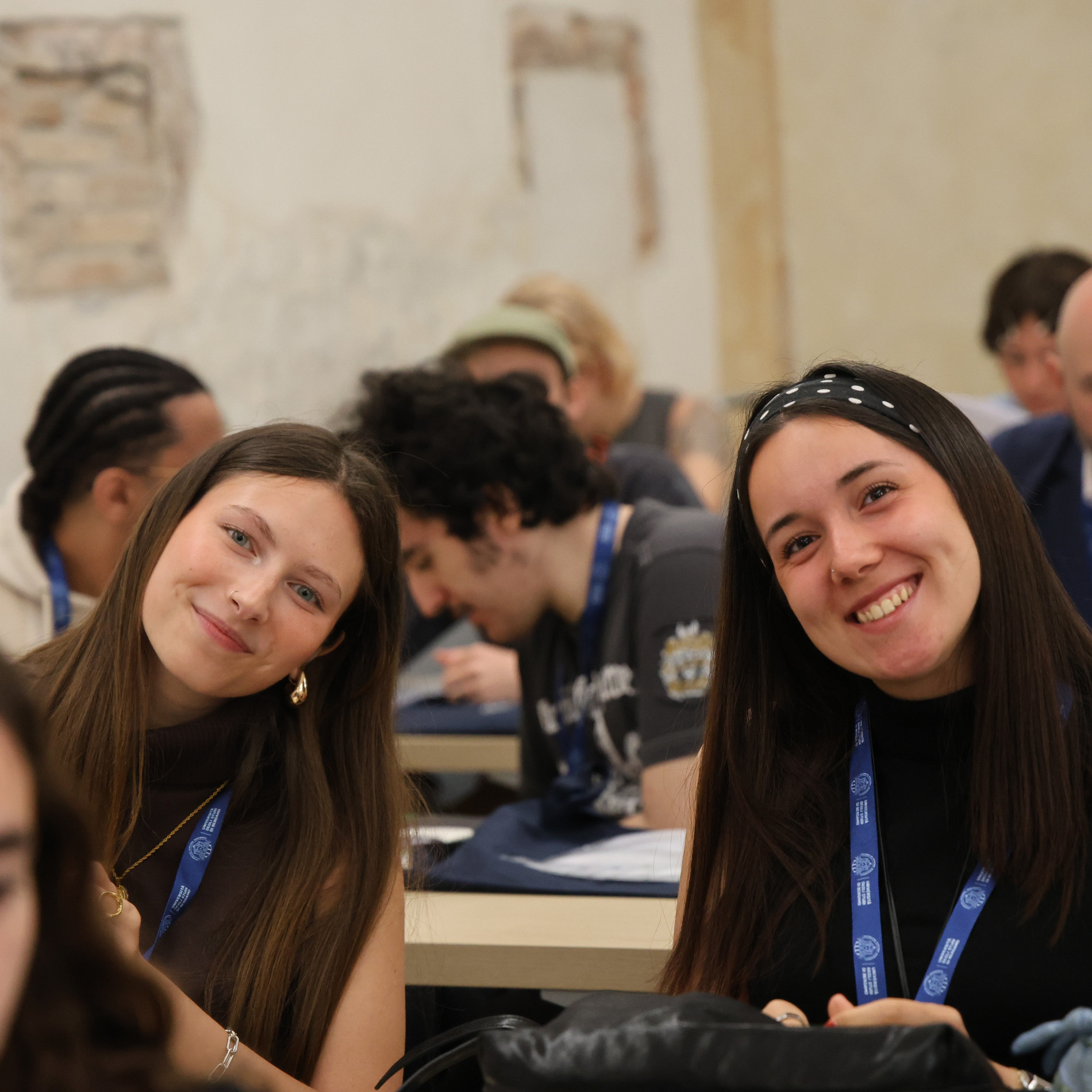
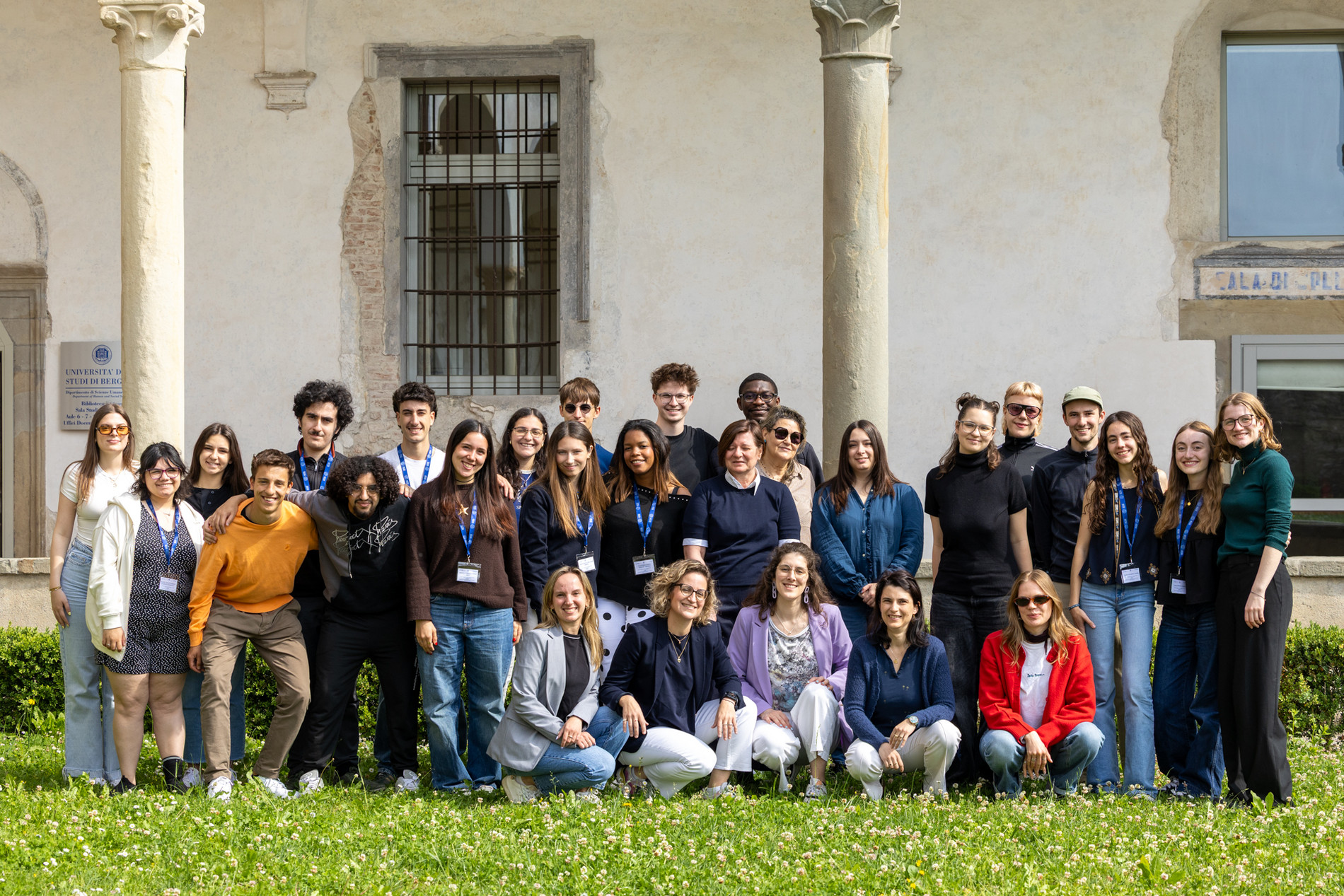
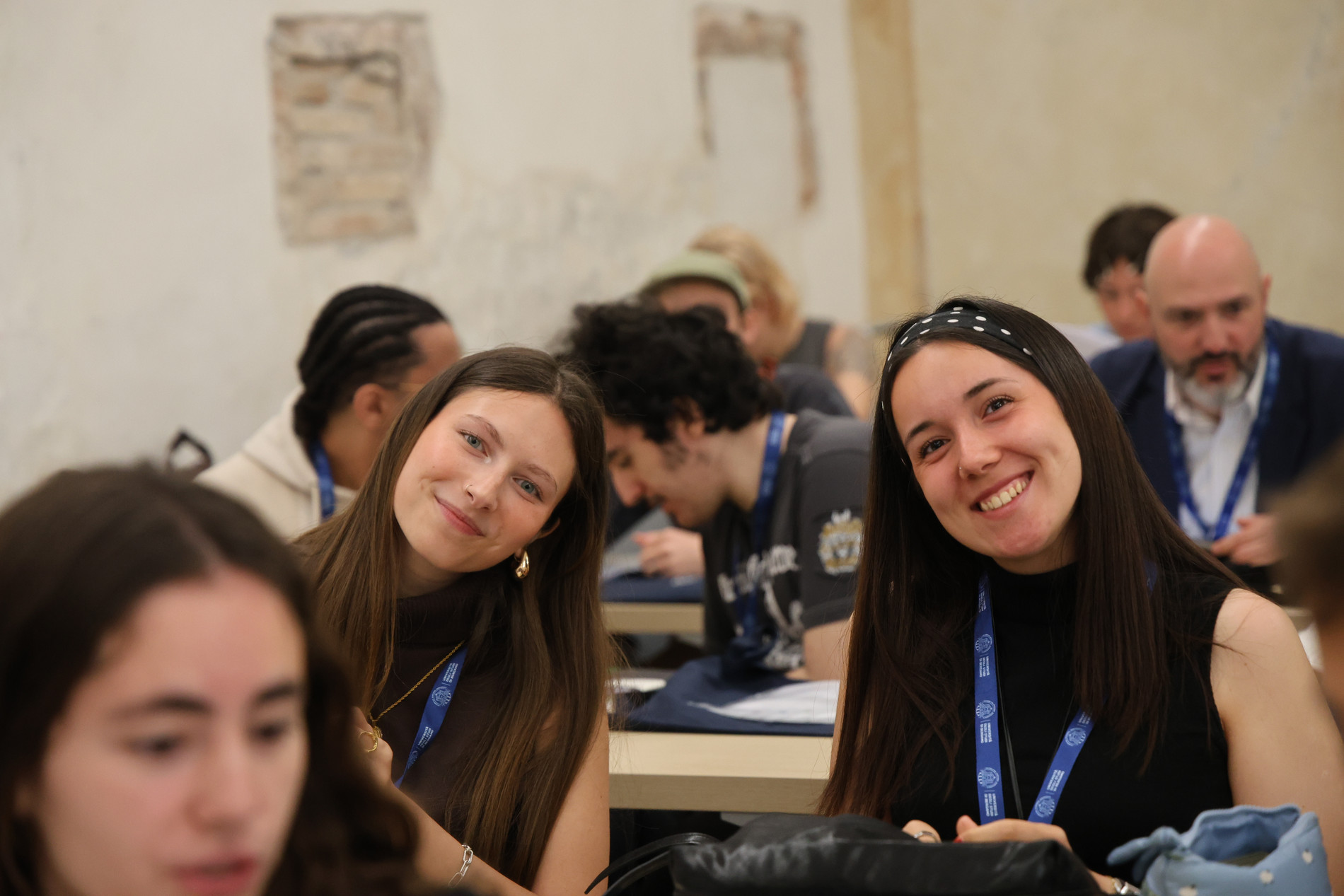
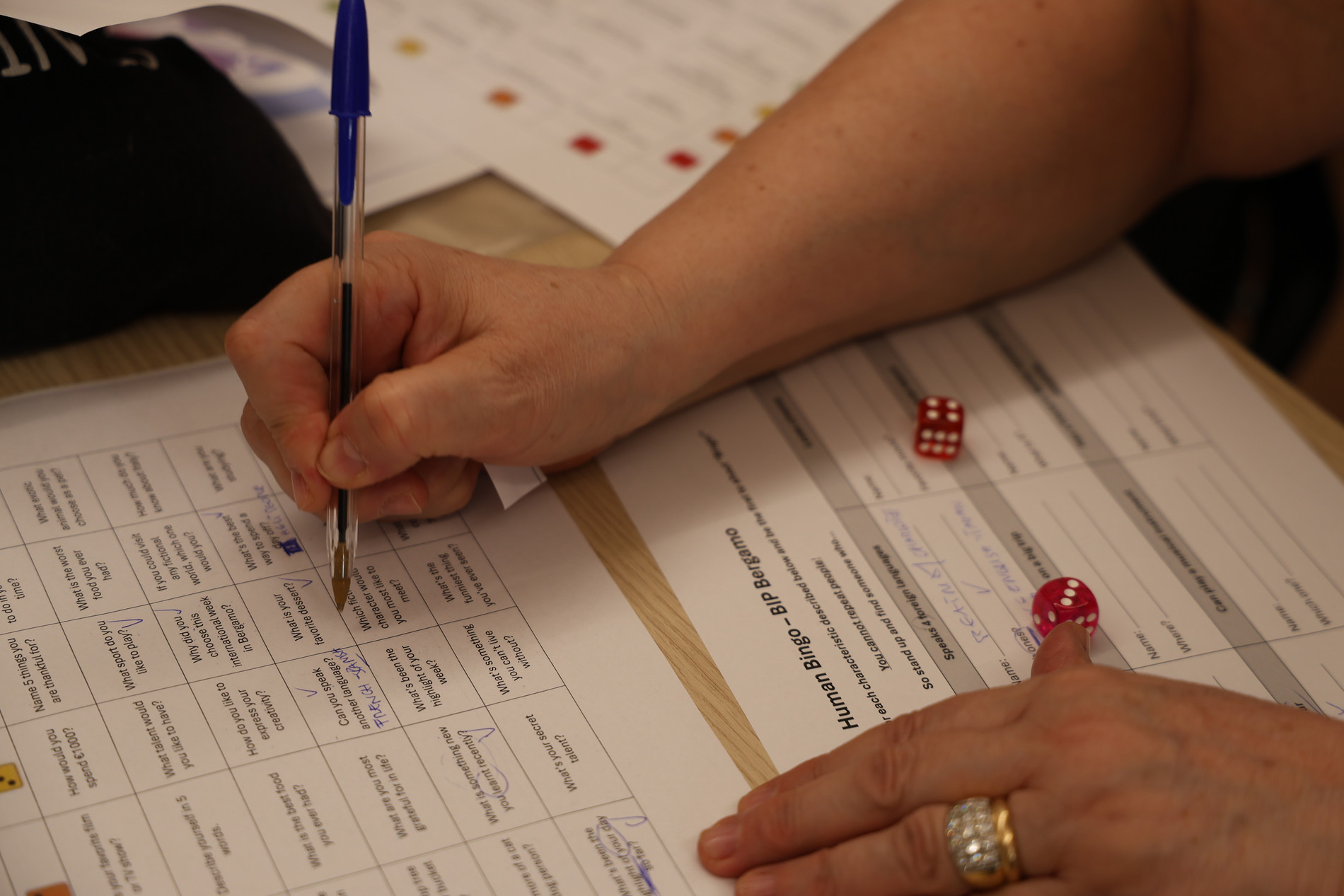
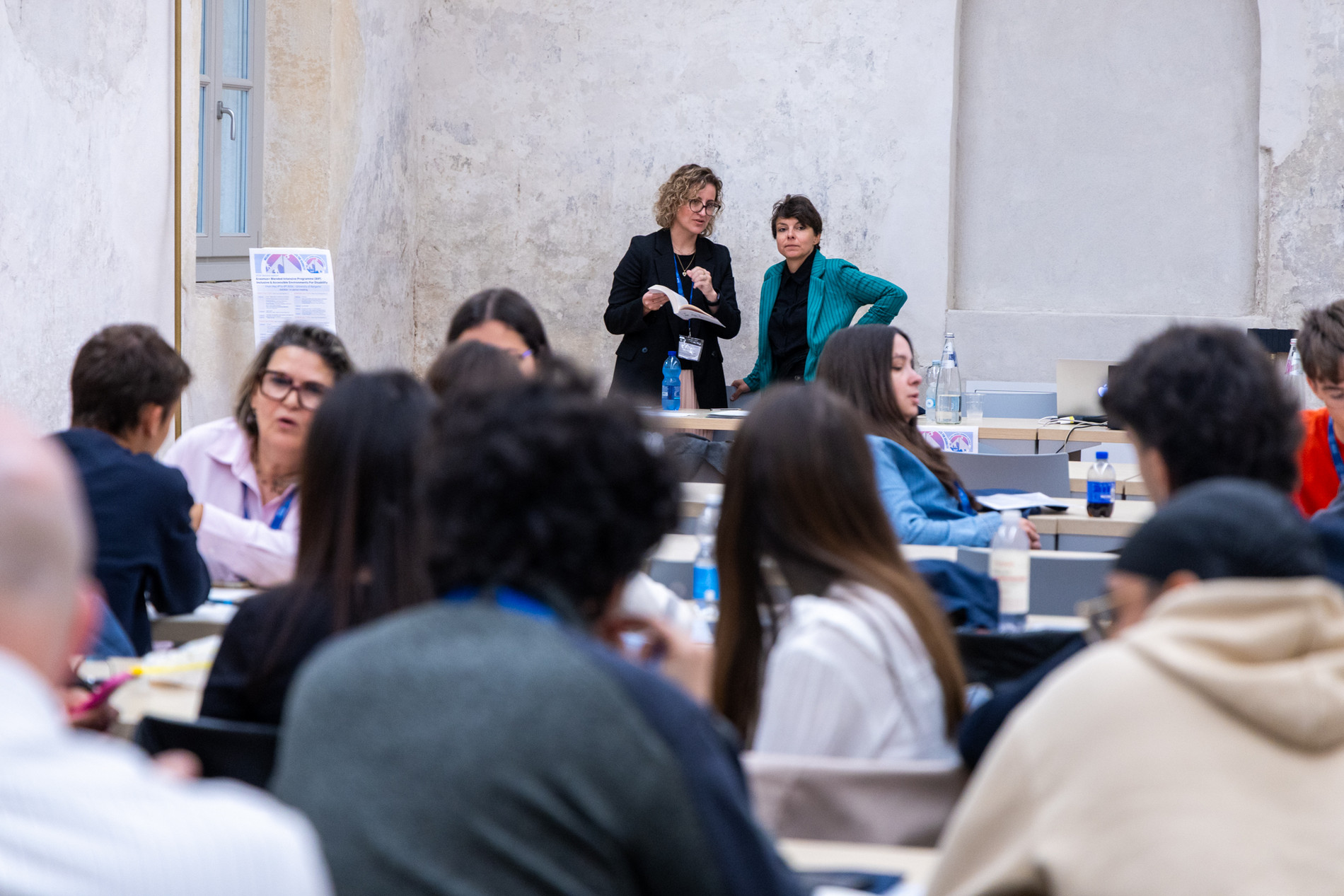
The programme explored accessibility, inclusion and disability through an interdisciplinary approach combining research, teaching and collaboration with the local community. Through workshops, campus activities and discussions on cultural accessibility, public spaces and inclusive university practices, students engaged in critical observation, teamwork and shared design.
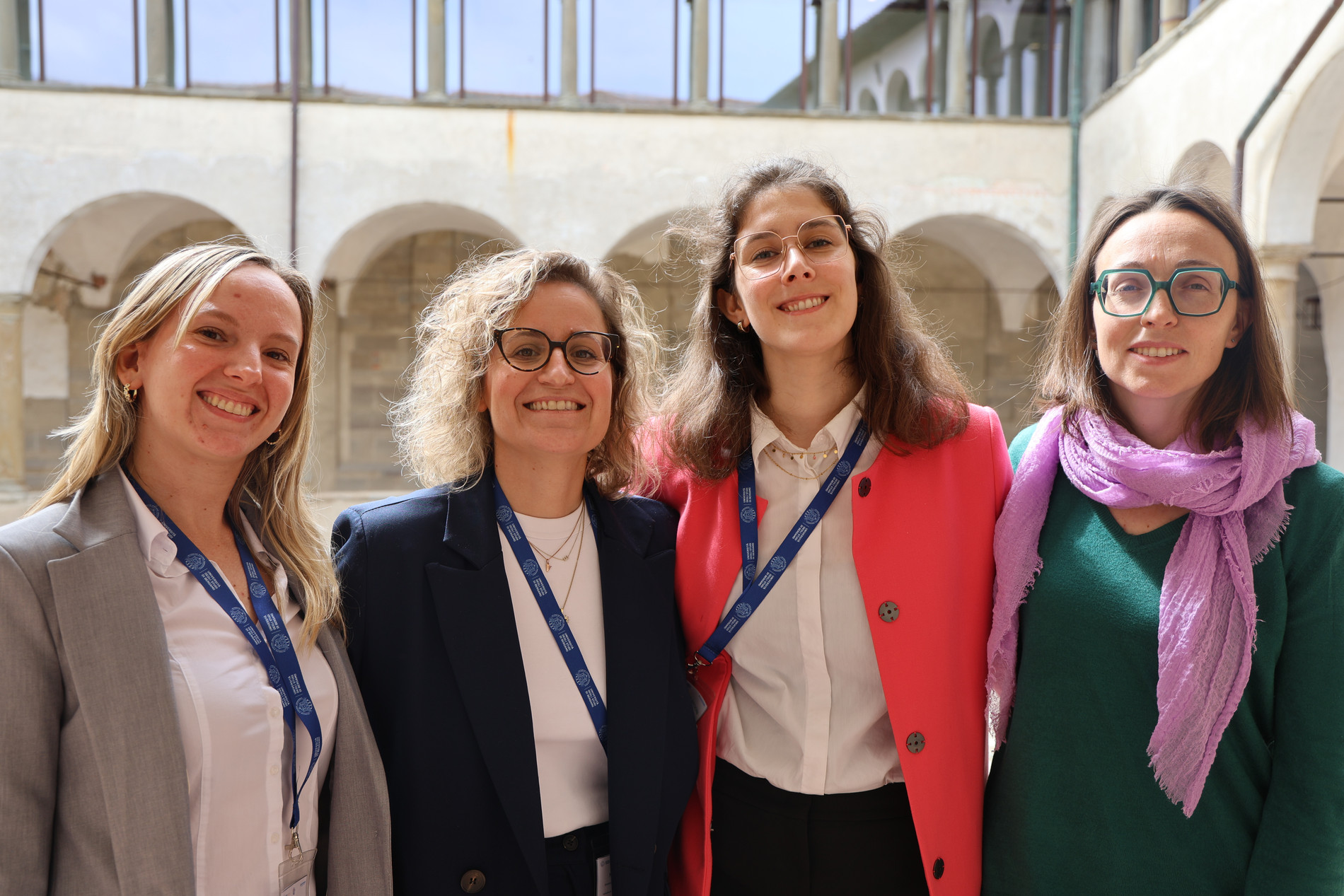
As Mabel Giraldo, researcher in Didactics and Special Pedagogy and BIP Chairperson, explains:
“The second edition of the BIP Inclusive and Accessible Environments for Disability proved to be much more than an international mobility experience: it was a space for scientific, human and project-based exchange, where students from different European countries worked together on the themes of accessibility, universal design and the participation of persons with disabilities in different life contexts.”She also highlighted the students’ strong engagement and the emergence of a close-knit international community within the Alliance.
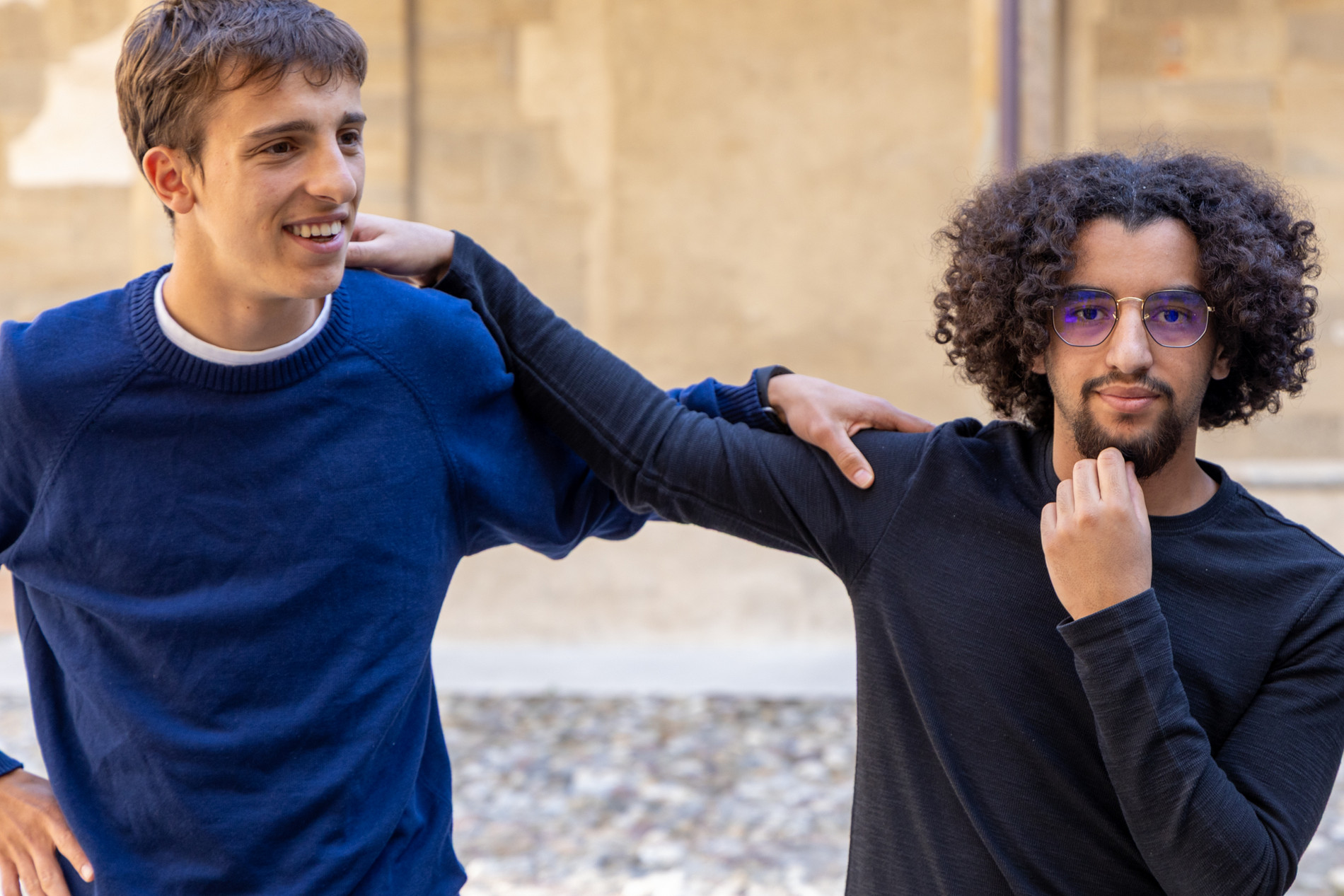
The programme’s relational dimension was among its most meaningful aspects. Group work, intercultural exchange and collaboration on real cases created a participatory learning environment. Sara Cecchetti, PhD student and member of the organising team, emphasised the contribution of the Lavorare Insieme cooperative in making inclusion tangible through encounter, listening and collaboration. Alongside theoretical reflection, participants also focused on practical improvements to accessibility and participation across academic and civic life.