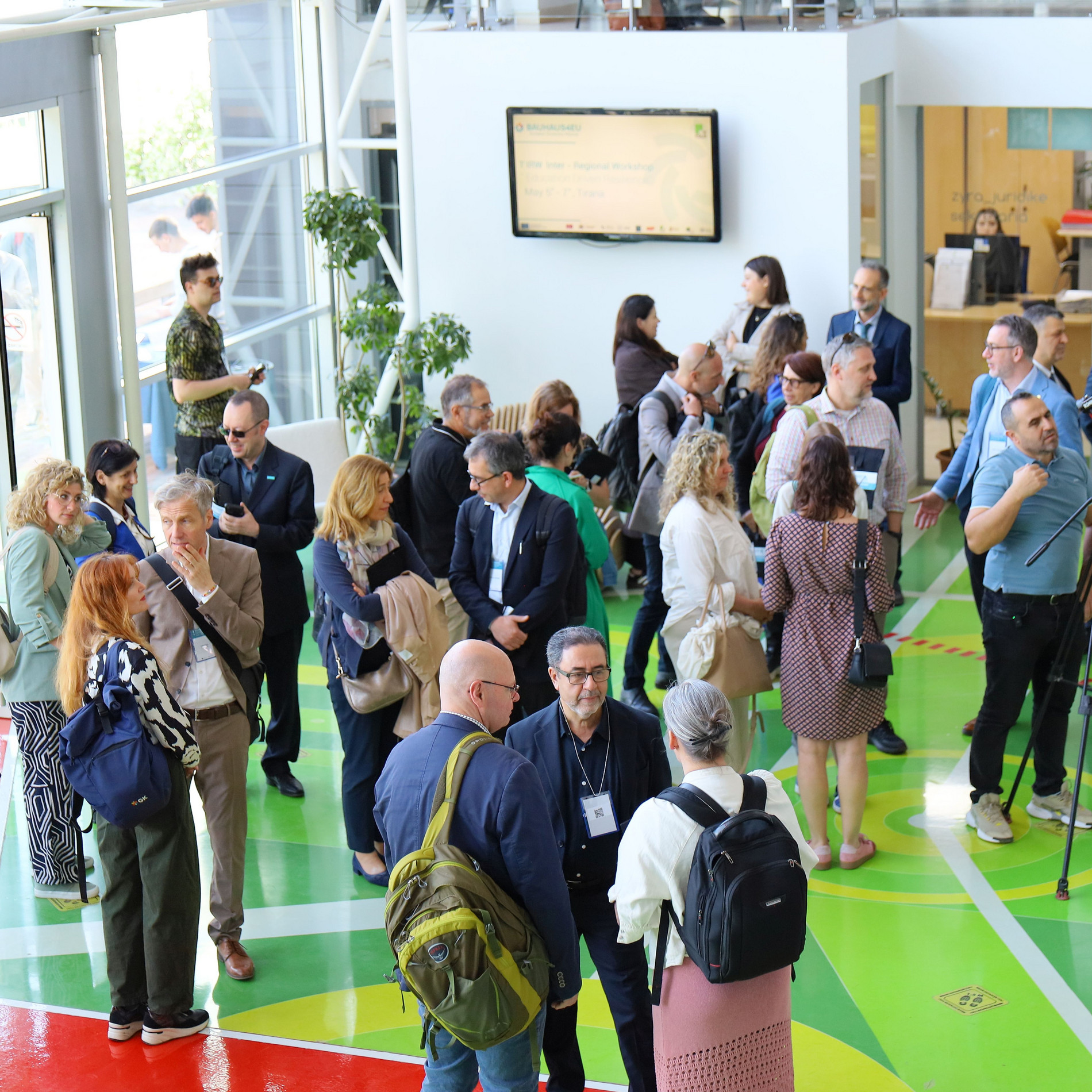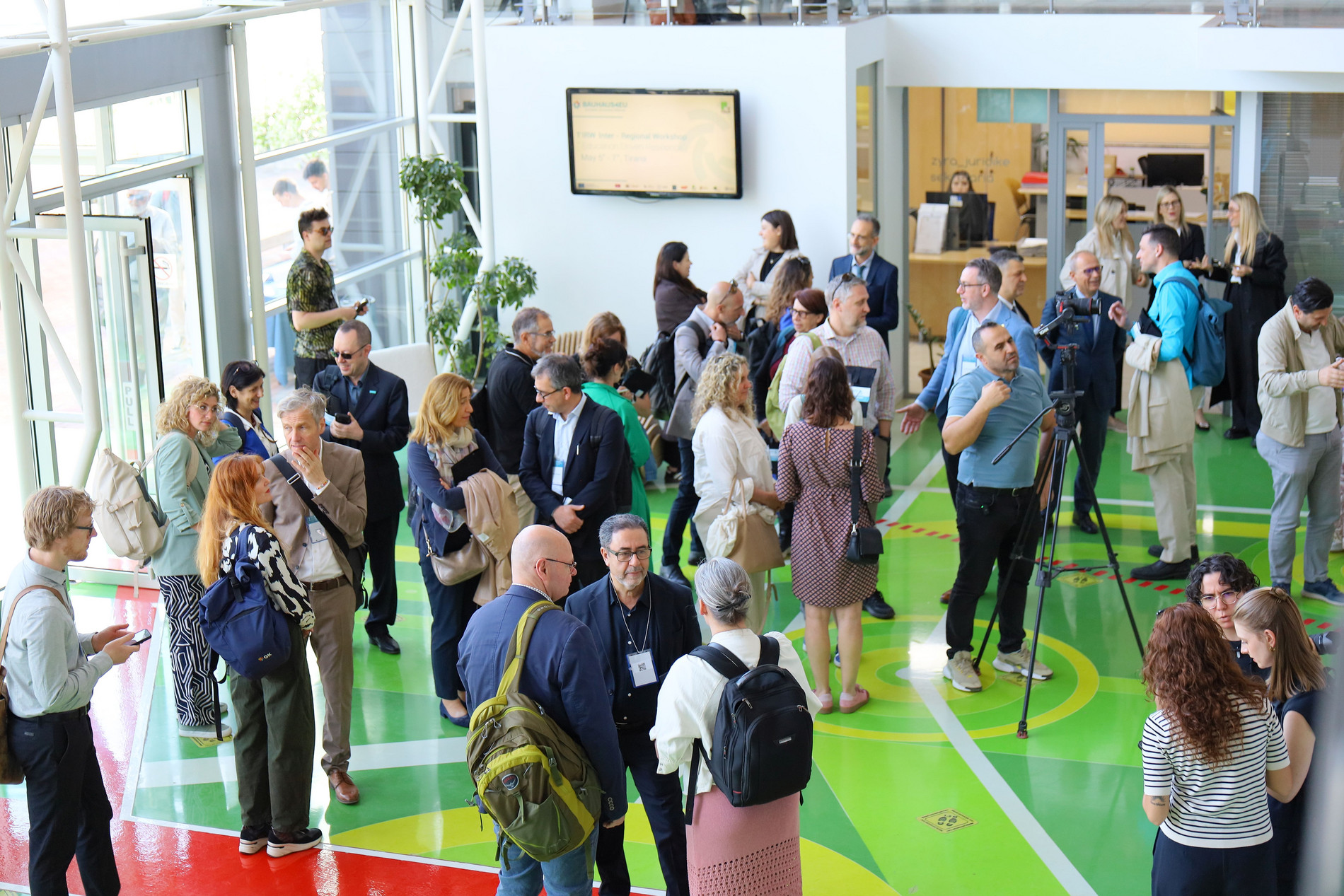


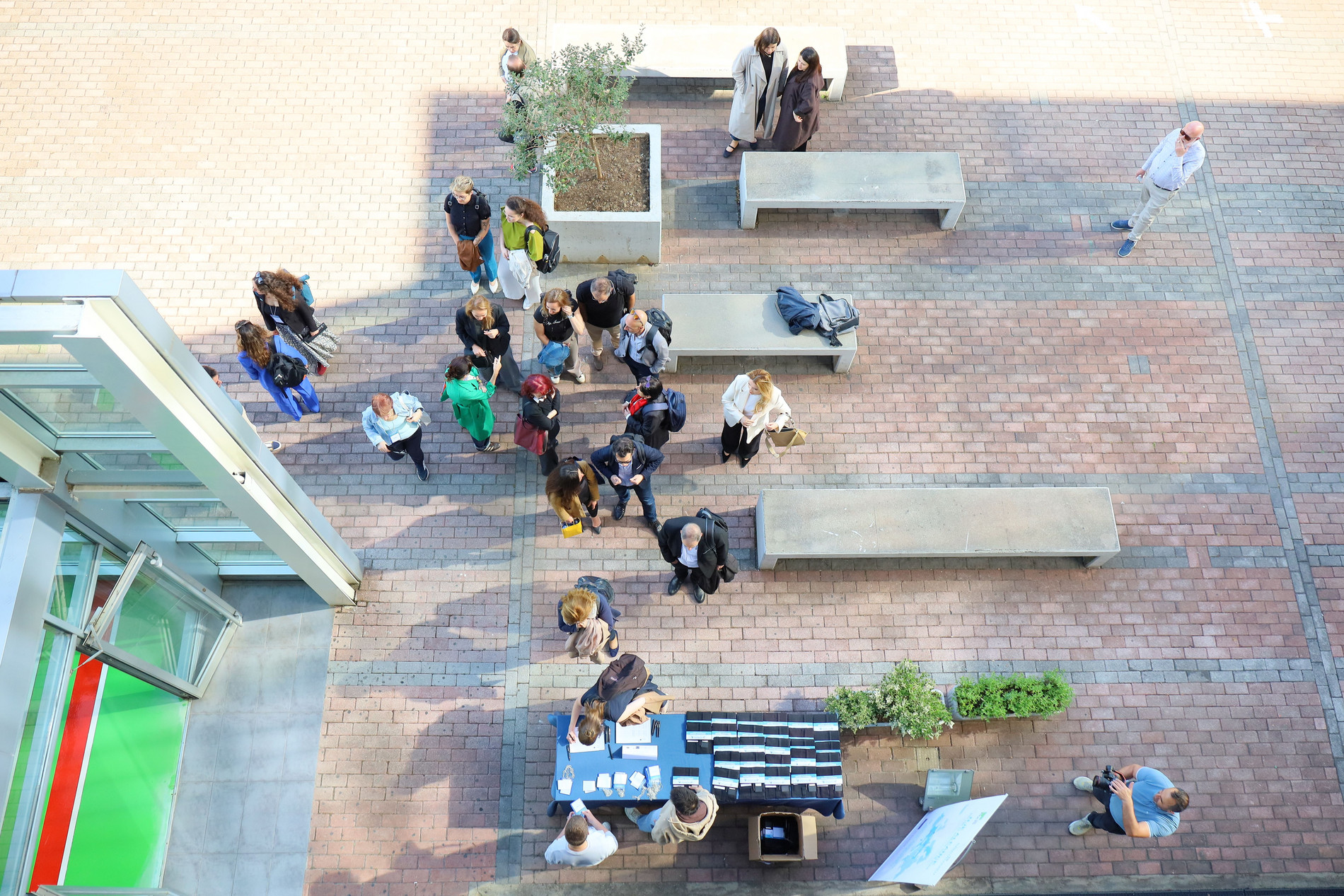
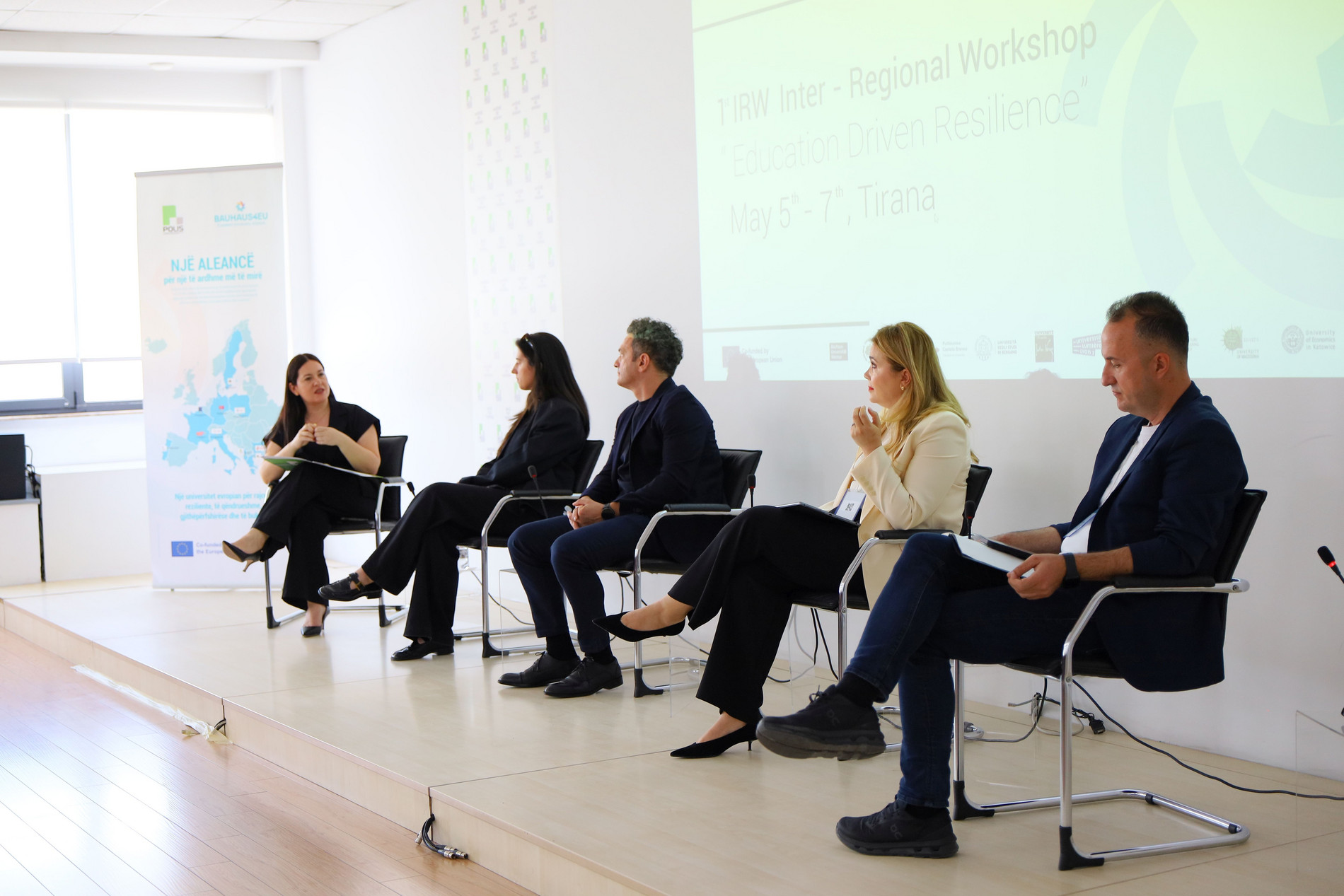
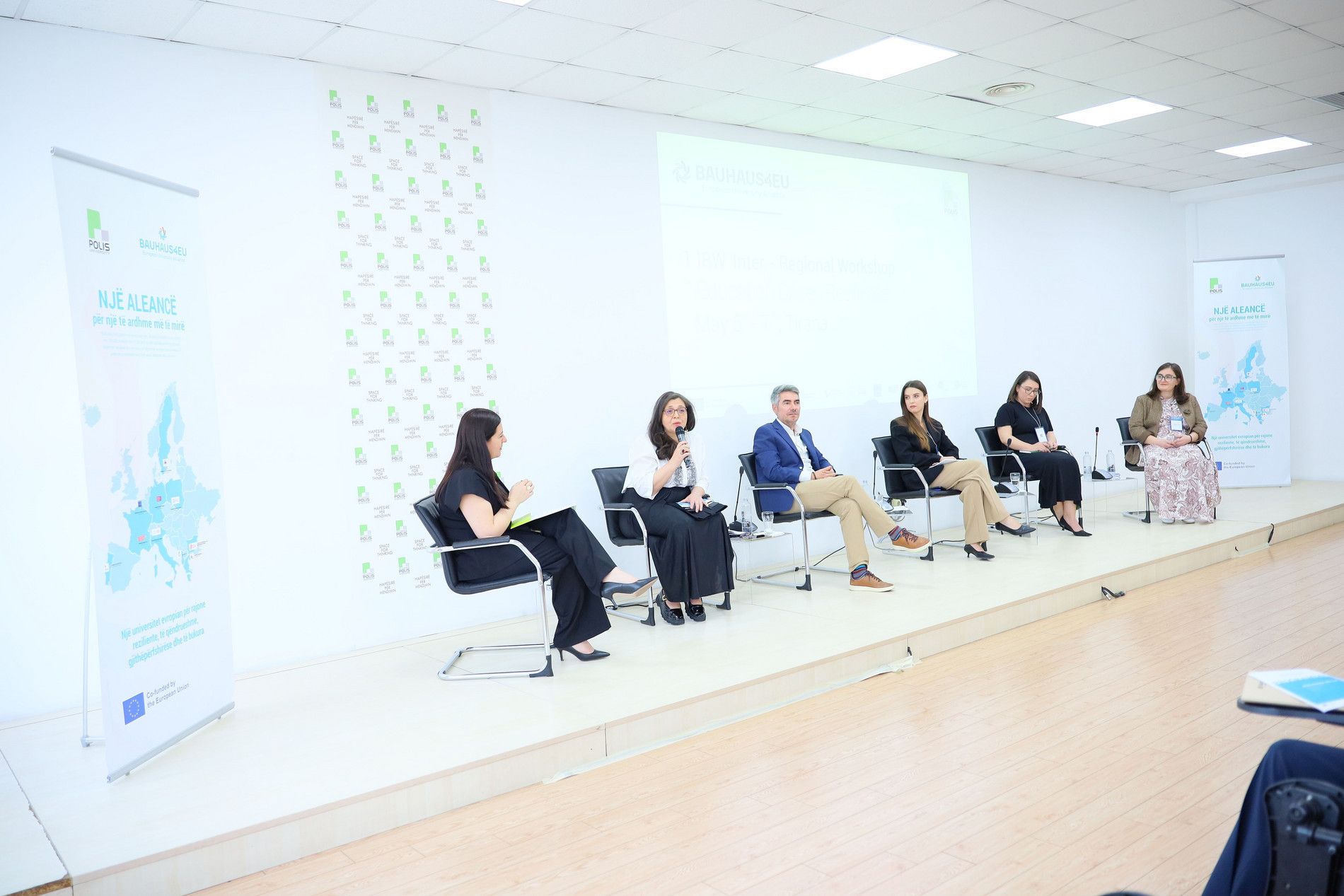
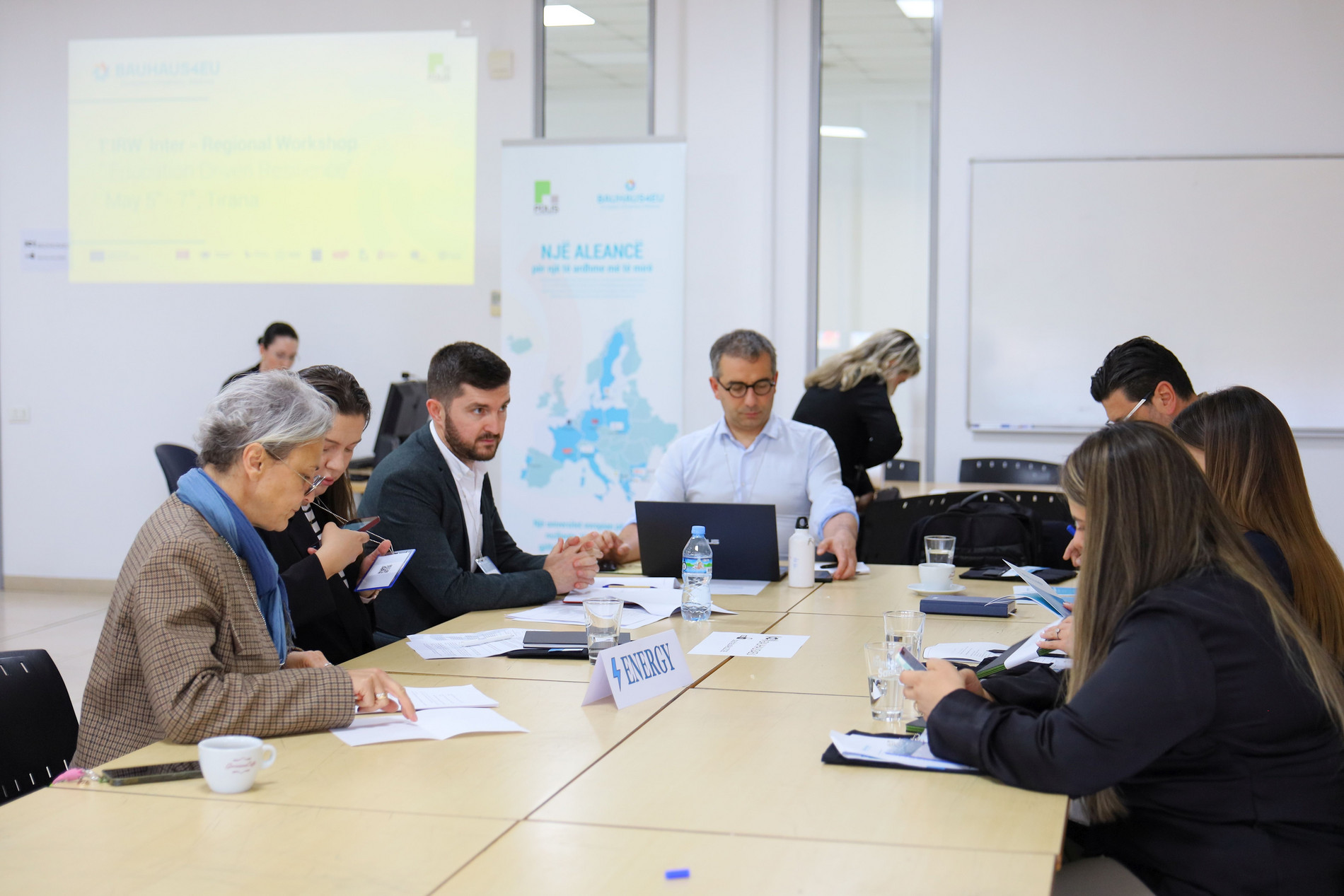
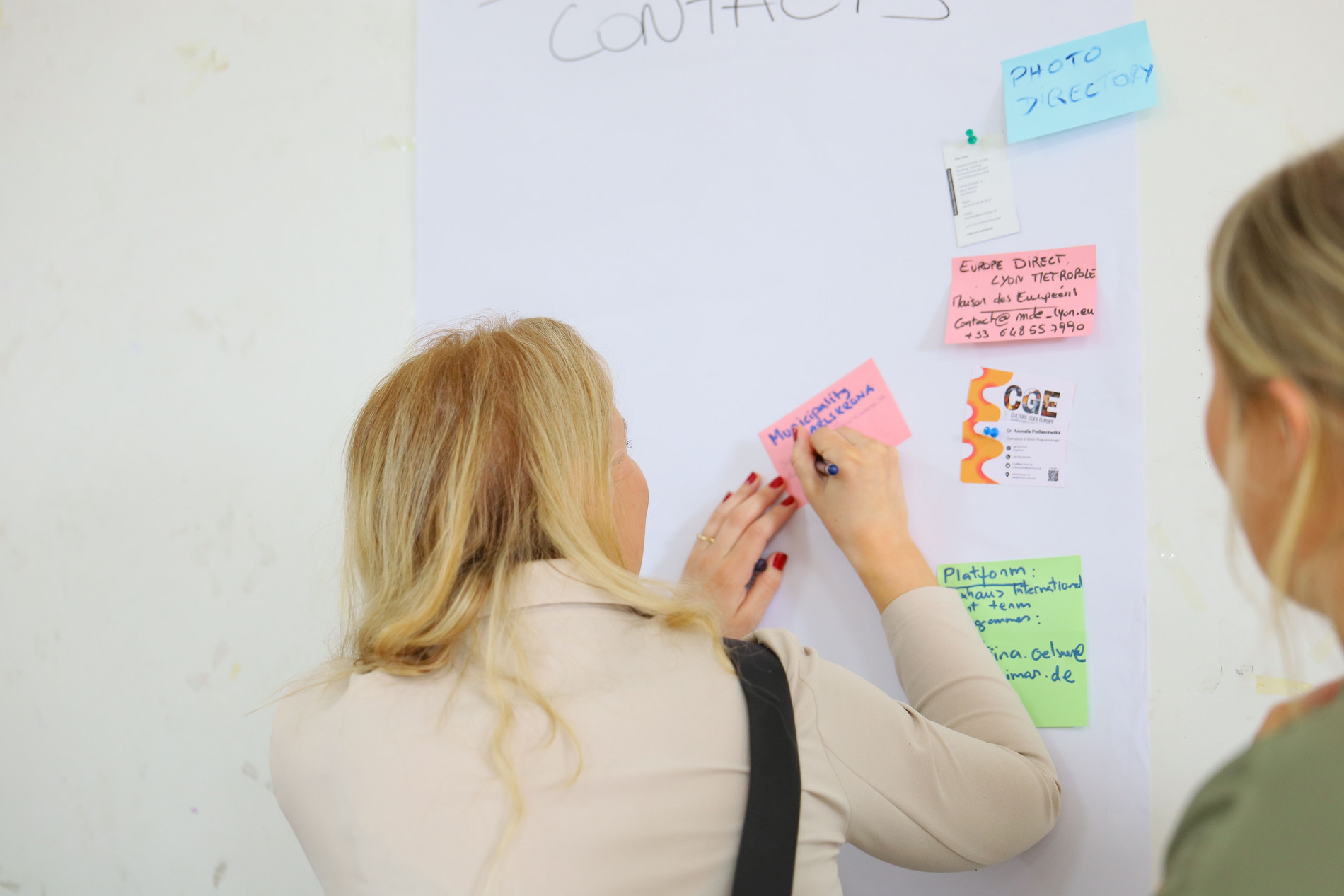
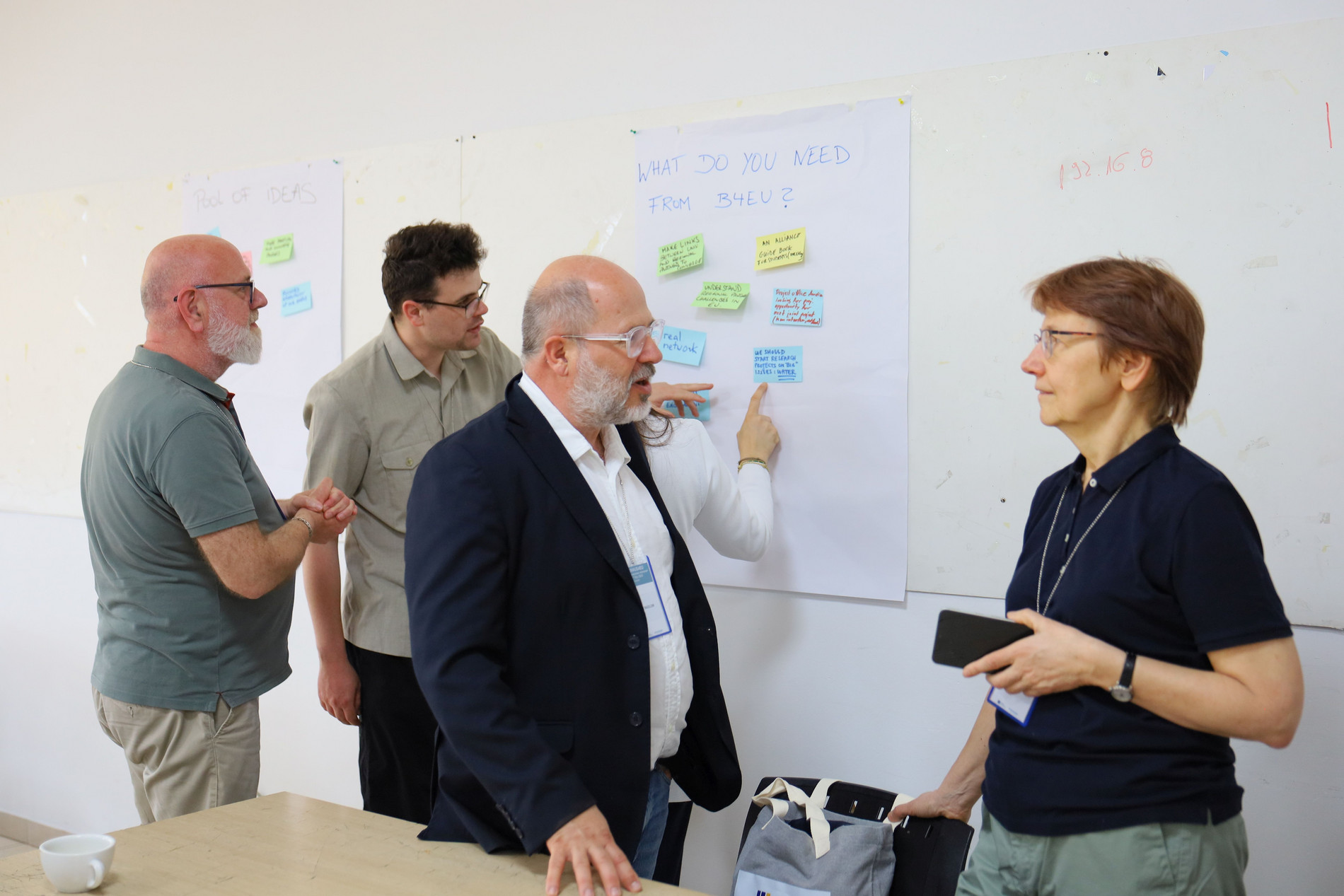
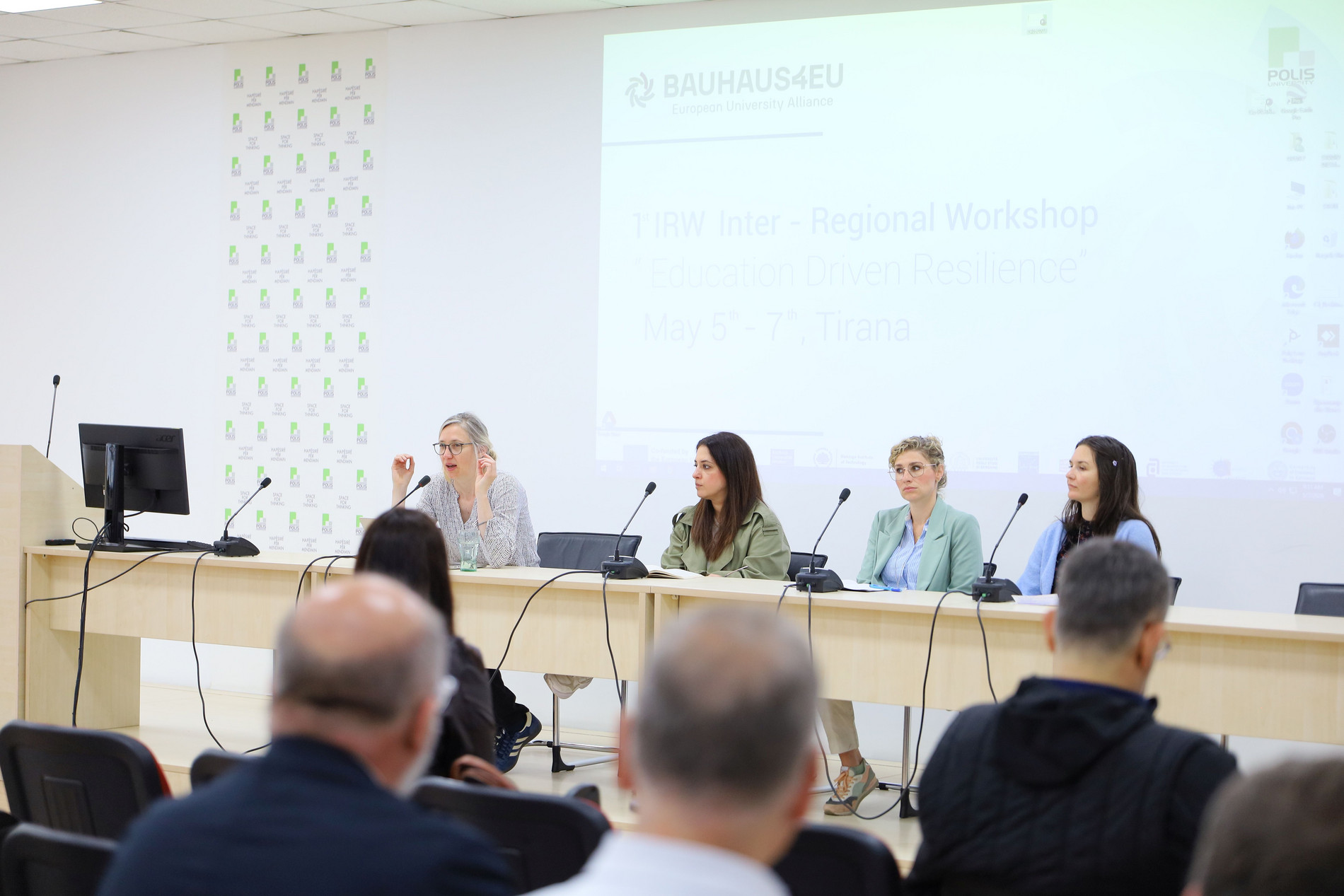
Conceived as a dynamic platform for dialogue, collaboration, and co-creation, the event marked one of the first major interregional gatherings of the Alliance, bringing together international and local stakeholders to discuss how higher education can respond to the complex challenges shaping Europe’s future.
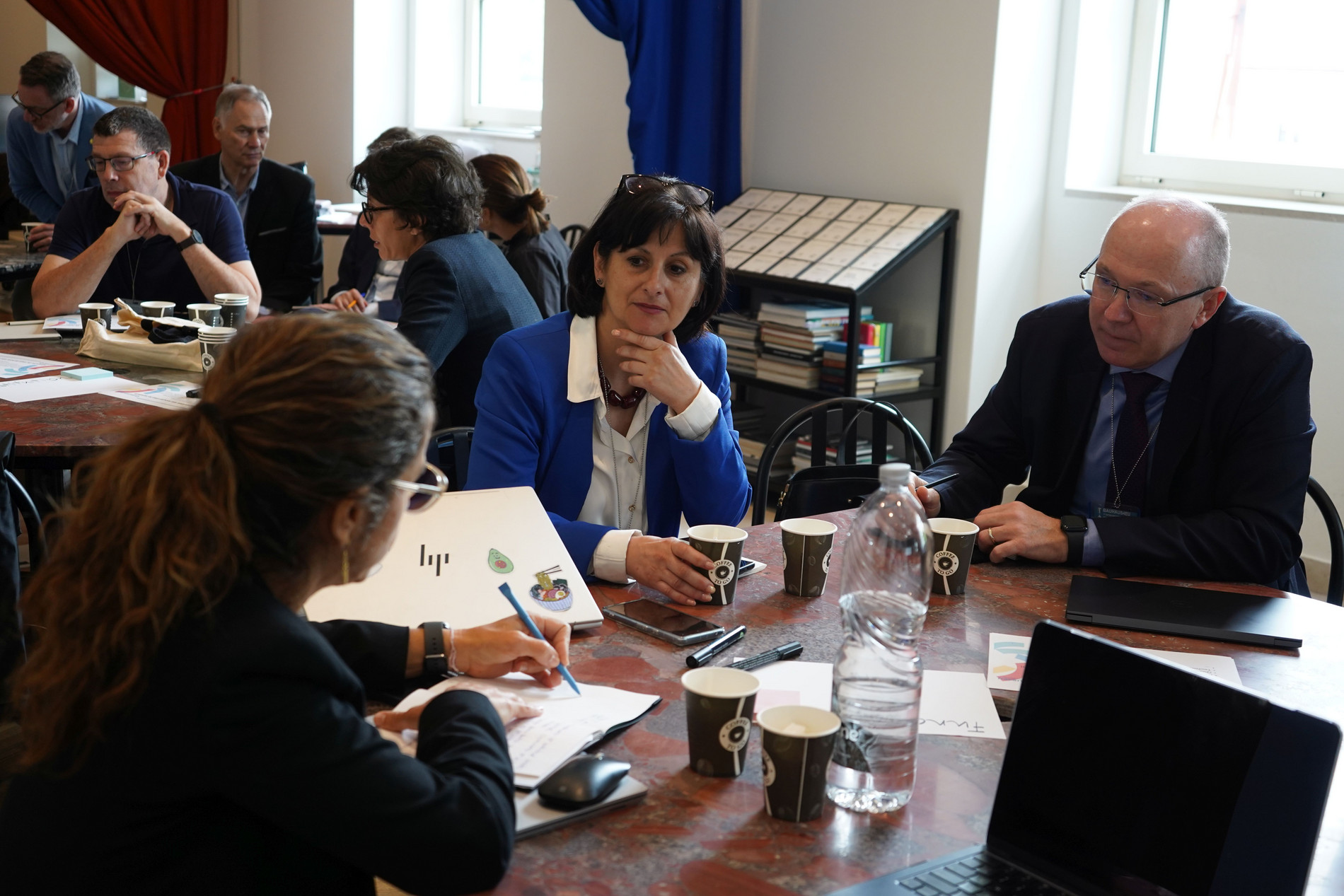
Under the overarching theme “Education-Driven Resilience,” the workshops explored the relationship between education, sustainability, technological transformation, climate resilience, entrepreneurship, and social inclusion through a series of thematic sessions and collaborative World Café discussions.
The event unfolded as an open and interactive platform for exchange, experimentation, and collaborative thinking, where participants collectively explored how universities can become active drivers of societal transformation.
The first session, dedicated to Community-Based Project Development, focused on the role of higher education in fostering inclusion, equal access to opportunities, and lifelong learning. Participants discussed how future BAUHAUS4EU educational formats could integrate student-led learning, inclusive design, artistic methodologies, mentorship, and adaptive educational models capable of responding to rapidly evolving social realities.
Another major focus of the workshop centered on Climate, Energy, and Mobility — three deeply interconnected dimensions of Europe’s urban future. Representatives from municipalities, industry, and academia addressed challenges related to climate-neutral urban development, energy-efficient buildings, sustainable mobility systems, and circular economy practices. Discussions emphasized the importance of Regional Living Labs and experimental pilot projects as tools for connecting research, policy-making, and local communities.
A third thematic session addressed the growing urgency of Digital and Entrepreneurial Skills in an era increasingly shaped by artificial intelligence and rapid technological transformation. Participants highlighted the widening gap between universities and labour-market realities, stressing the need for more flexible, interdisciplinary, and practice-oriented educational systems. Critical thinking, adaptability, soft skills, entrepreneurship, and lifelong learning emerged as some of the key competencies required for future generations.
Throughout the day, one message remained constant: universities can no longer operate as isolated educational structures disconnected from societal change. Instead, they must evolve into open ecosystems of collaboration, experimentation, and innovation, capable of connecting academic knowledge with real-world challenges.
The workshop also reinforced the broader vision of the BAUHAUS4EU Alliance as more than a network of European universities. It positions itself as an emerging platform for transformative education, regional cooperation, and interdisciplinary innovation inspired by the principles of the New European Bauhaus — sustainability, aesthetics, inclusion, and social impact.
Hosted by POLIS University in Tirana, the First Interregional Workshop represented an important milestone for the Alliance, opening new pathways for future collaborative educational formats, regional partnerships, and community-based initiatives across Europe.