Our Regions
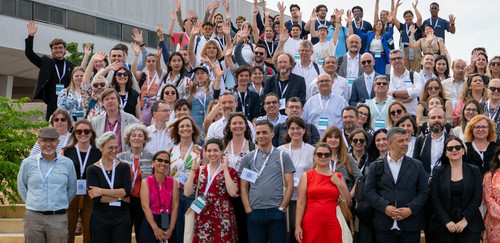
Firmly anchored in the UN Sustainable Development Goals, the European Green Deal, and the New European Bauhaus initiative, the Alliance works hand in hand with regional ecosystems to bridge diverse territories, combine strengths, and transform challenges into opportunities for growth. Get to know the regions involved in the Alliance and meet our regional partners!
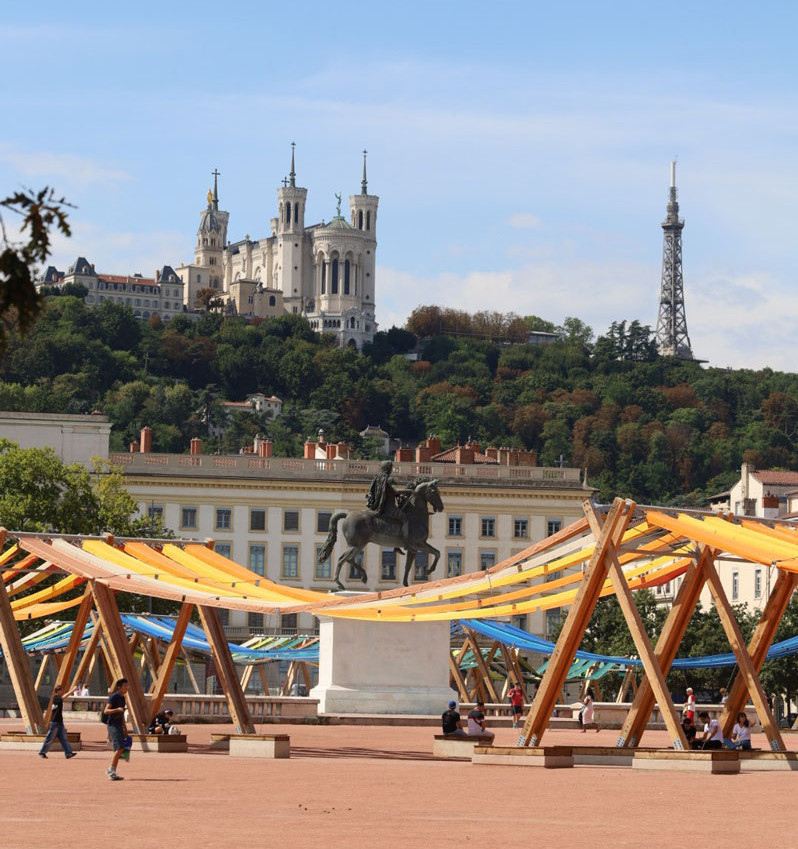
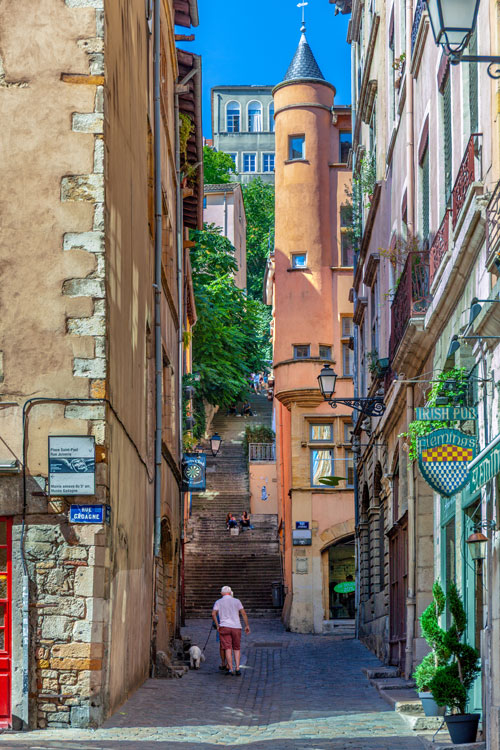
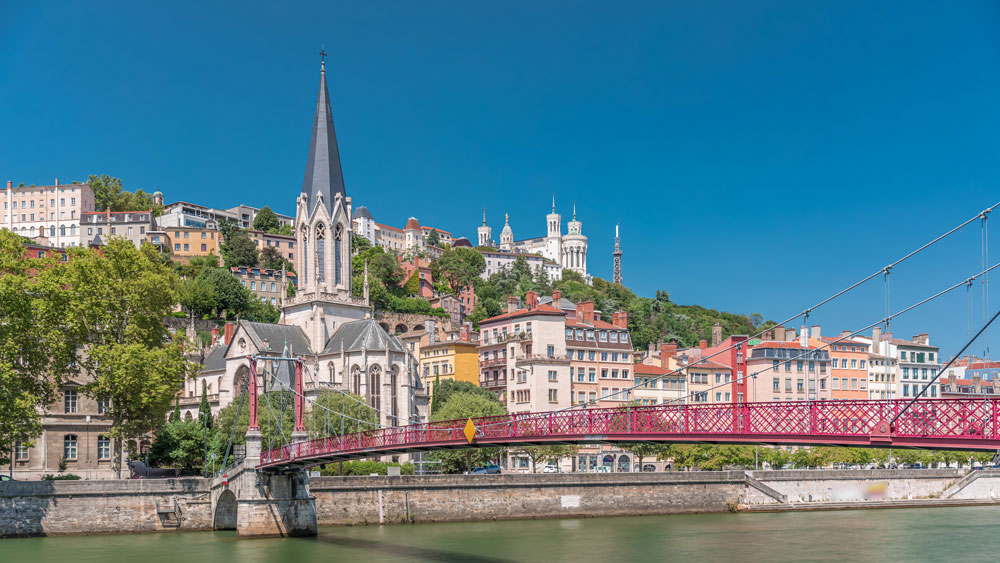
The Auvergne-Rhône-Alpes region, located in the heart of France, is one of the largest and most diverse in the country. It stretches from the Alpine peaks of Mont Blanc to the dormant volcanoes of Auvergne, passing through the fertile valleys of the Rhône. Its varied geography makes it a region rich in landscapes, ranging from mountains to agricultural plains and large lakes.
But the region is not limited to its landscapes: it is also a major economic and cultural hub. Lyon, its metropolis, is renowned for its gastronomy, history, and role in innovation. Clermont-Ferrand remains marked by the tire industry with Michelin, while Grenoble is a world-renowned scientific center. The vineyards of the Rhône Valley and the architectural heritage of its towns and villages complete its identity. Auvergne-Rhône-Alpes combines tradition, dynamism, and openness to the future. Learn more about the Region here!
| Size | 69,711 km², representing approximately 13% of mainland France |
| Inhabitants | 8.2 million |
| Famous Names | Antoine de Saint-Exupéry (writer, poet, and aviator), André-Marie Ampère (mathematician, physicist, chemist, and philosopher), Blaise Pascal (mathematician, physicist, inventor, philosopher, moralist, and theologian), Georges Pompidou (president), Alexandre Astier (actor, director, producer), L’Abbé Pierre (Catholic priest), Mimie Mathy (actress), Jean-Michel Jarre (songwriter) |
| Famous Food | Poulet de Bresse, Quenelle, Praline, Ravioles, Gratin Dauphinois, Tarte aux Myrtilles, Gâteau de Savoie, Tartiflette, Raclette, Fondue Savoyarde |
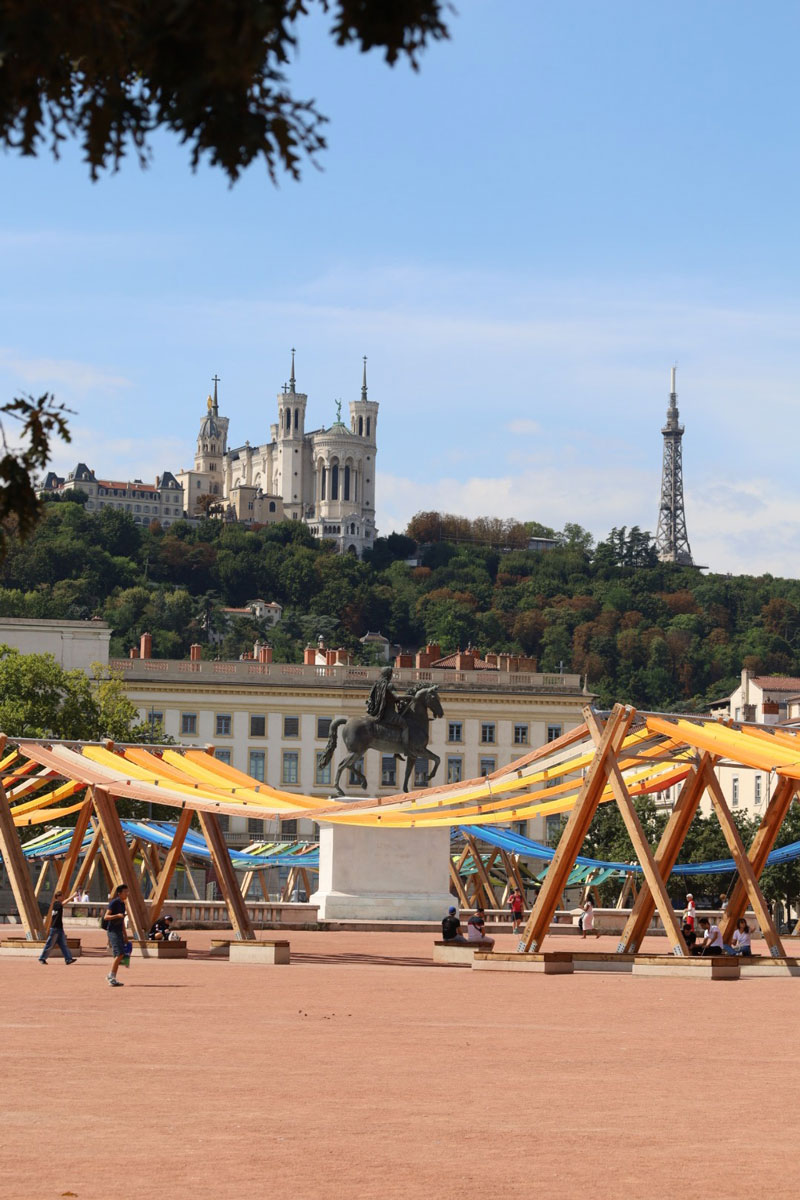
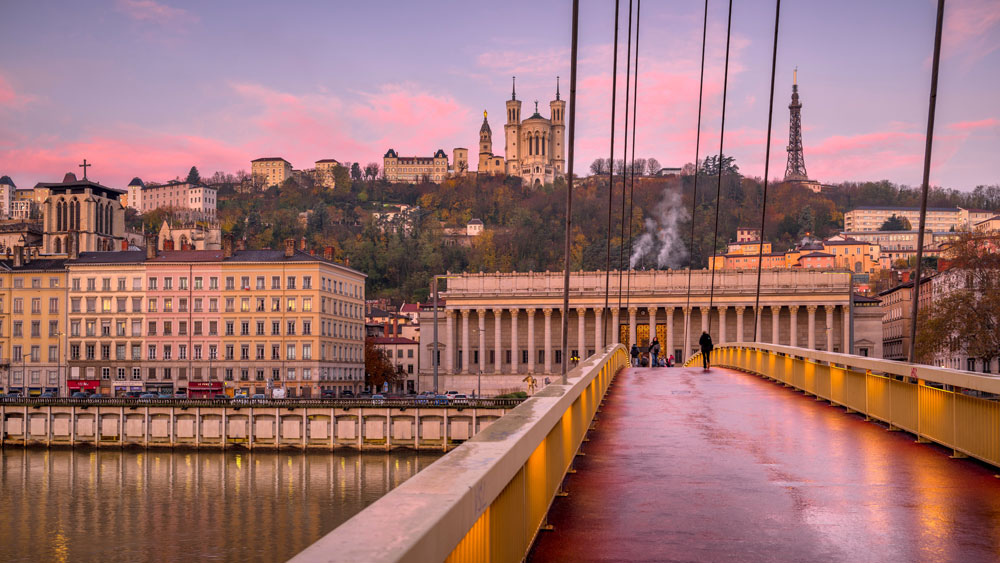
| Famous Sites | Annecy Lake, Mont-Blanc massif, Grotte Chauvet 2, Ardèche Gorge, Volcanoes of Auvergne, Lyon (culinary capital) : Fourvière Basilica, Cinema Museum, The Roman Theater, The Traboules of Old Lyon… |
Our Regional Partners
Associated Partners
Maison des Européens
The Maison des Européens is an association member of the Europe Direct network. It organises events, workshops and debates to promote European citizenship and values. The organisation supports schools, youth groups and local actors in building European projects and understanding EU opportunities.
Métropole de Lyon
The Métropole de Lyon is an intercommunal authority which regroups 58 communes around Lyon. It manages key policies in economic development, urban planning, housing, transport, environment and social inclusion. Its mission is to foster innovation, sustainability and solidarity across a metropolitan region of more than 1.3 million inhabitants.
Go to www.grandlyon.com

ONLY Lyon
ONLY LYON Tourisme et Congrès is the tourism and congress office of the Lyon metropolitan area. It promotes Lyon as a leading European destination for leisure, business and culture, while coordinating local stakeholders in hospitality and events. The agency provides expertise, visitor services and marketing initiatives to enhance Lyon’s international attractiveness.
Go to www.onlylyon.com
Région Auvergne Rhône-Alpes
The Région Auvergne-Rhône-Alpes is one of France’s largest region, encompassing 12 departments and major cities like Lyon, Grenoble and Clermont-Ferrand. The regional authority oversees economic development, transport, education, training and environmental policy. It aims to strengthen territorial cohesion, innovation and sustainable growth across mountain and urban areas alike.
Ville de Lyon
The Ville de Lyon is the municipal authority of Lyon, the historic capital of the Auvergne-Rhône-Alpes region. It oversees local services, citizens’ engagement, ecological and social transitions, as well as urban life.
Go to www.lyon.fr
Regional Partners

Musée Gadagne
Housed in a Renaissance-era building in the heart of the Vieux‑Lyon quarter, the Musée Gadagne brings together Lyon’s Museum of History and the Puppetry museum, offering a rich exploration of Lyon’s urban, social and cultural history alongside a globally unique collection of puppetry art.

Ville de Villeurbanne
Located immediately northeast of Lyon and forming part of its metropolitan core, the Villeurbanne municipal authority focuses on local administration, urban renewal, culture and citizen services, all in a dense suburban setting.
Ville de Belleville-en-Beaujolais
Created in 2019 by the fusion of towns Belleville-sur-Saône and Saint-Jean-d’Ardières, Belleville-en-Beaujolais is located in the Rhône department of the Auvergne-Rhône-Alpes region, about 50km North of Lyon. It aims to become the first “bioclimatic and positive” town by 2035.
Go to https://belleville-en-beaujolais.fr/
Communauté de Communes Saône-Beaujolais
This inter-municipal community in the Rhône department unites 35 communes around the Saône and Beaujolais area, coordinating local public services, territorial development, economic and environmental policy to foster shared growth and cohesion in the associated rural-urban territory.
École National des Travaux Publics d’État
This engineering school, located in Lyon’s northeastern suburban area, trains engineers specialising in infrastructure, transport, environment, urbanism and territorial development. It combines teaching and research to support sustainable development of territories.
Go to https://www.entpe.fr/
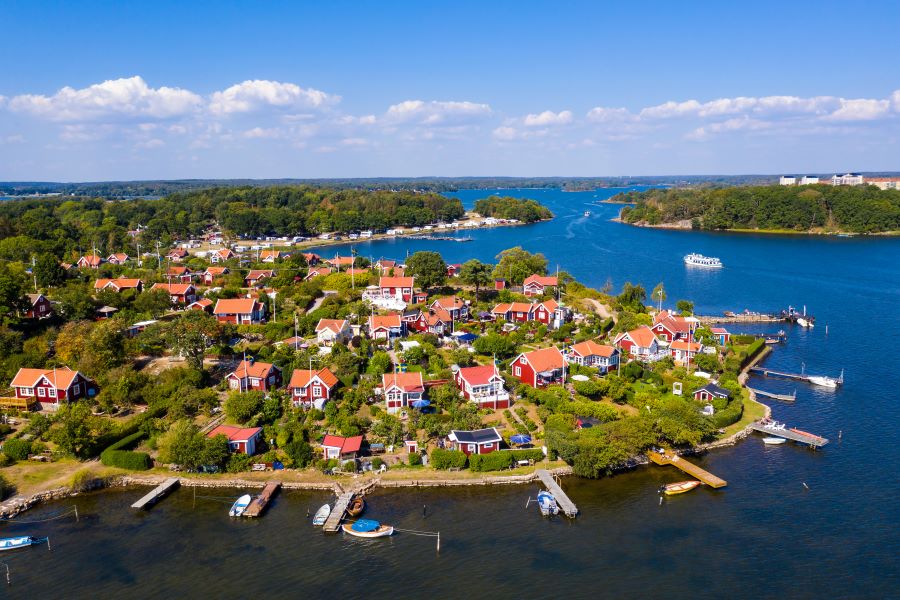
Blekinge – Sweden’s southernmost archipelago gem – is a place where history, nature, and innovation meet. Here, charming coastal towns and wild, unspoiled landscapes blend with a dynamic business environment that attracts entrepreneurs and visitors from all over the world.
The region is at the forefront of industries such as ICT, marine technology, forming technology, as well as food and tourism. This combination of tradition and progress makes Blekinge not only a wonderful destination to visit, but also an inspiring place to live and work.
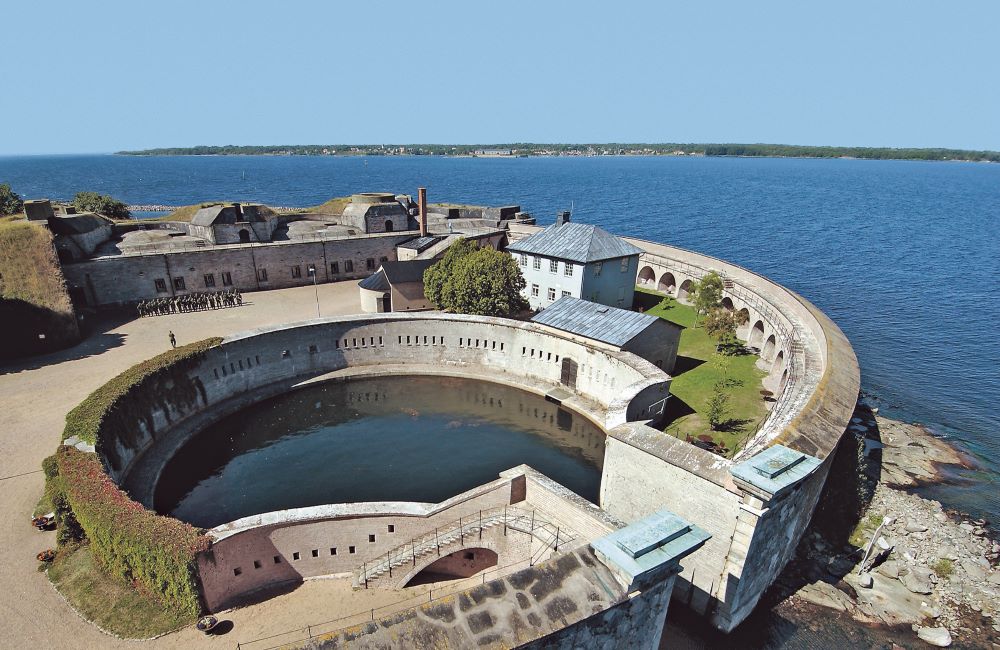
At the heart of the region lies the city of Karlskrona, founded in 1680 by King Karl XI as Sweden’s new naval base. More than 340 years later, the naval tradition is still thriving, and the city’s unique baroque layout and well-preserved architecture earned it UNESCO World Heritage status in 1998. Walking through Karlskrona, you’ll encounter magnificent churches, stately squares, wide parade streets, and impressive fortifications that continue to fascinate visitors from around the globe.
Beyond its history, Blekinge is a paradise for outdoor enthusiasts. You can sail between sun-drenched islands, paddle through sheltered bays, or hop on a ferry to idyllic fishing villages. Along the way, indulge in freshly caught seafood, seasonal local produce, and award-winning ice cream — culinary delights that have firmly placed Blekinge on Sweden’s food map.
| Size | 2,941 km2 – Sweden's smallest mainland province. |
| Inhabitants | Approx. 160,000 inhabitants |
| Capital | Karlskrona |
| Five Municipalities | From east to west, Karlskrona, Ronneby, Karlshamn, Olofström, and Sölvesborg form a string of pearls along the coast, with the exception of the inland municipality of Olofström. |
| Island-Rich | In total, there are 2,875 islands, islets, and skerries in the sea around Blekinge. |
| Rich in Lakes | Blekinge is Sweden's lake-densest county, boasting as many as 0.32 lakes/km2. |
Our Regional Partners
Blekinge County Administrative Board (Länsstyrelsen Blekinge)
The Blekinge County Administrative Board serves as a coordinating force, caring for and developing Blekinge's natural resources, people, and businesses.
The Municipality of Karlskrona (Karlskrona kommun)
The municipality of Karlskrona is responsible for many of the services and activities that people use in their everyday lives, such as schools, social services, culture and leisure activities.
Go to www.karlskrona.se

Region Blekinge
Region Blekinge promotes sustainable development throughout the entire region of Blekinge. The areas of responsibility are health and medical services, regional development, infrastructure, public transportation, culture and education.
Go to www.regionblekinge.se
The Swedish National Board of Housing, Building and Planning (Boverket)
The Swedish National Board of Housing, Building and Planning is a central government authority. We answer to the Ministry of Rural Affairs and Infrastructure. We handle developments within housing, building, and other planning-related casework in Sweden.
Go to www.boverket.se

Blue Science Park
Blue Science Park is a meeting place and development environment for research and innovation with the aim of promoting growth in marine technology and digital solutions. Companies and organisations gather here to develop themselves, their businesses and society.
Go to www.bluesciencepark.se

Techtank
Techtank is an industrial cluster and a regional development organisation in Blekinge, southeastern Sweden, whose mission is to strengthen the competitiveness of the industry.
Go to www.techtank.se/
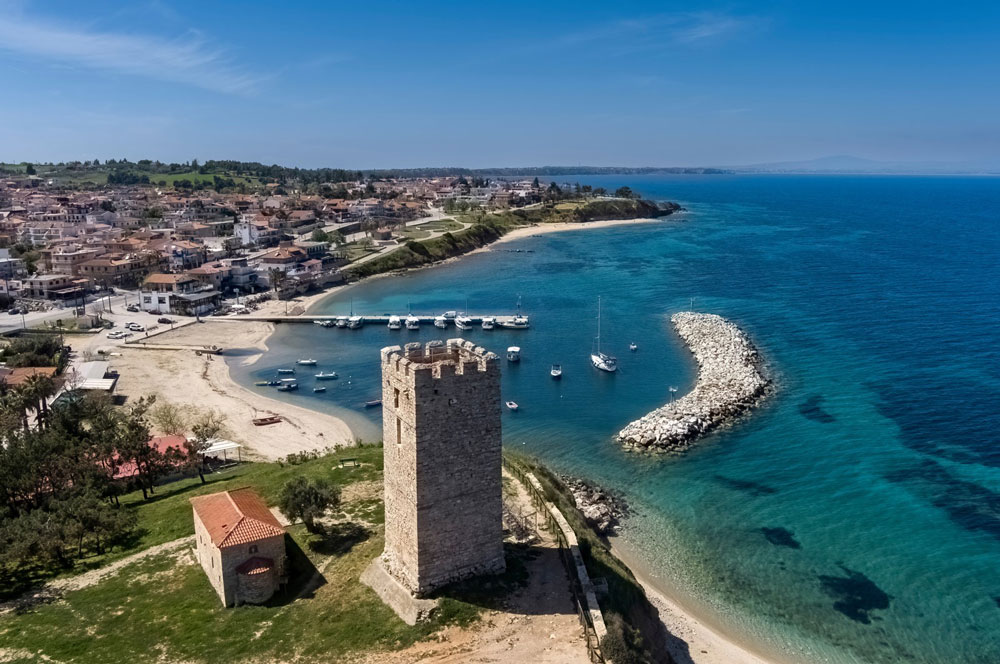
Central Macedonia (Kentriki Makedonia) is one of the thirteen administrative regions of Greece. With a population of almost 1.8 million, it is the second most populous region in the country after Attica, and its capital is Thessaloniki, the second-largest city in Greece and an important cultural, educational, and economic hub.
Central Macedonia is also one of the most popular tourist destinations in Greece. The Chalkidiki peninsula is the region’s most famous beach destination, offering more than 550 km of sandy coastline combined with pine-covered landscapes. Chalkidiki is also home to Mount Athos, a UNESCO World Heritage Site and a major center of Orthodox religious tourism.
Another highlight of the region is Pieria, which combines extensive plains, high mountains, and sandy beaches. Mount Olympus, Greece’s highest mountain and mythological home of the ancient Greek gods, attracts an estimated 10,000 climbers and hikers every year.
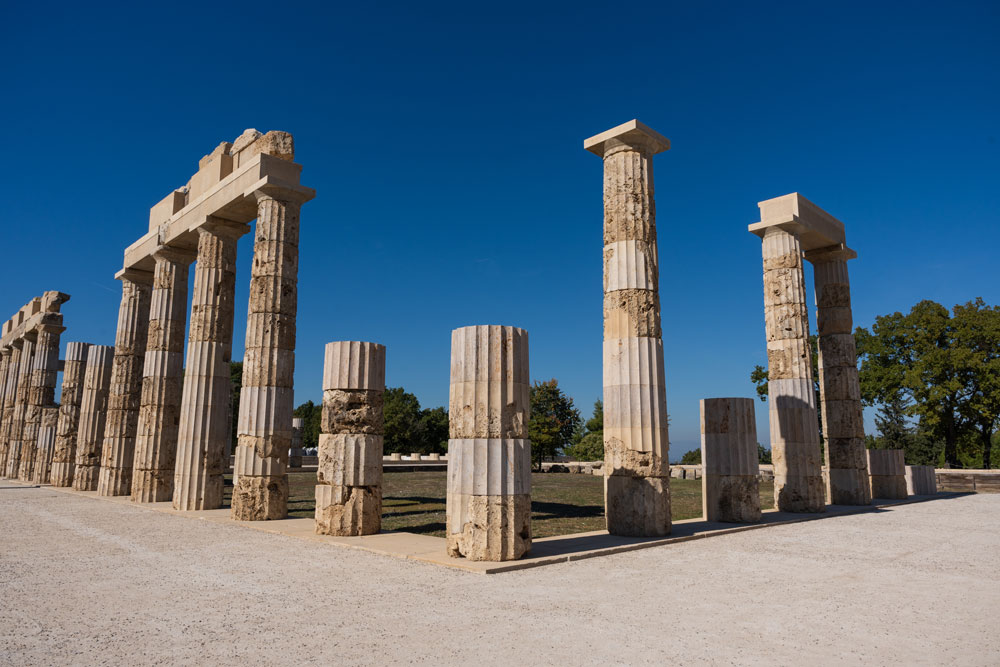
Central Macedonia is rich in cultural heritage as well, being home to several of Greece’s UNESCO World Heritage Sites, such as the Paleochristian and Byzantine monuments of Thessaloniki, the archaeological site of Aigai (Vergina), and the Mount Athos monastic community.
| Size | 1.8 million |
| Inhabitants | 18,810 km2 |
| Famous Names | Alexander the Great (King of Macedon), Philip II of Macedon (King of Macedon, father of Alexander the Great), Aristotle (Philosopher, student of Plato), Saint Cyril and Methodius (Missionaries, creators of the Glagolitic alphabet, “Apostles of the Slavs") |
| Famous Food | Gyros, Souvlaki, Trigona Panoramatos, Tsoureki, Bougatsa, Koulouri Thessalonikis |
| Famous Sites | Chalkidiki peninsula, Mount Athos, Mount Olympus, Archaeological site of Aigai (Vergina), Archaeological Museum of Thessaloniki, Paleochristian and Byzantine monuments of Thessaloniki, White Tower of Thessaloniki, Rotonda |
Our Regional Partners

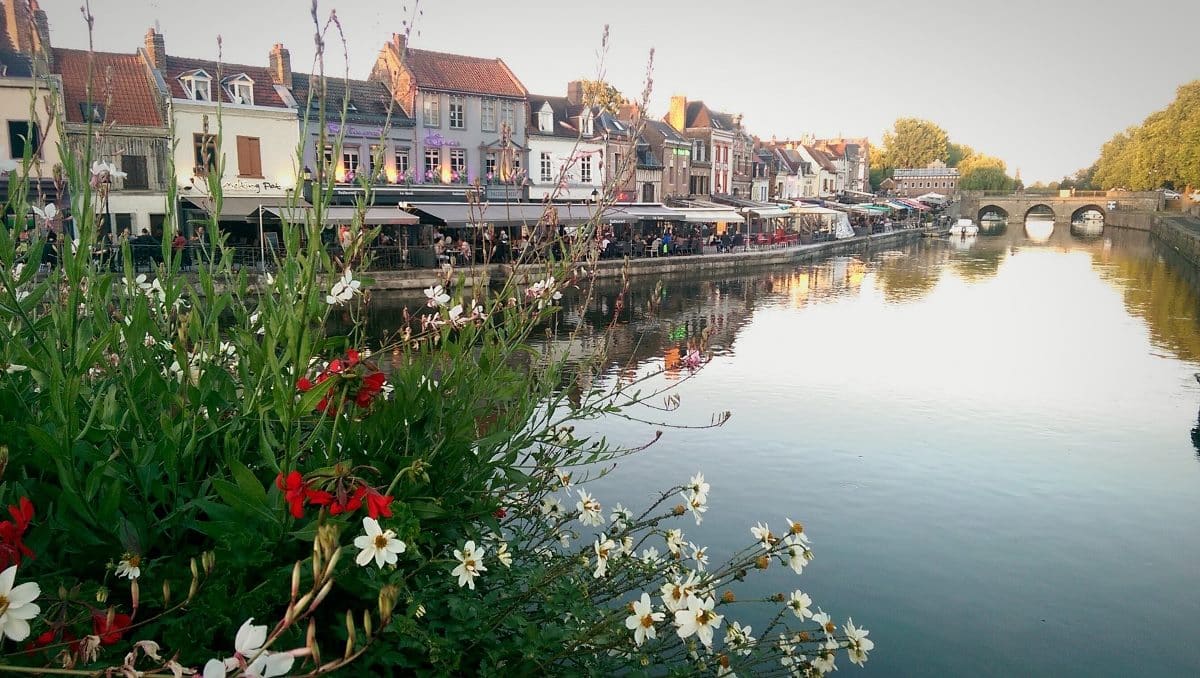
The Hauts-de-France region, located at the northern tip of France, is a land of contrasts and richness. Bordered by the North Sea and the English Channel, it offers a variety of landscapes, from the vast sandy beaches of the Opal Coast to the lush countryside of the Avesnois.
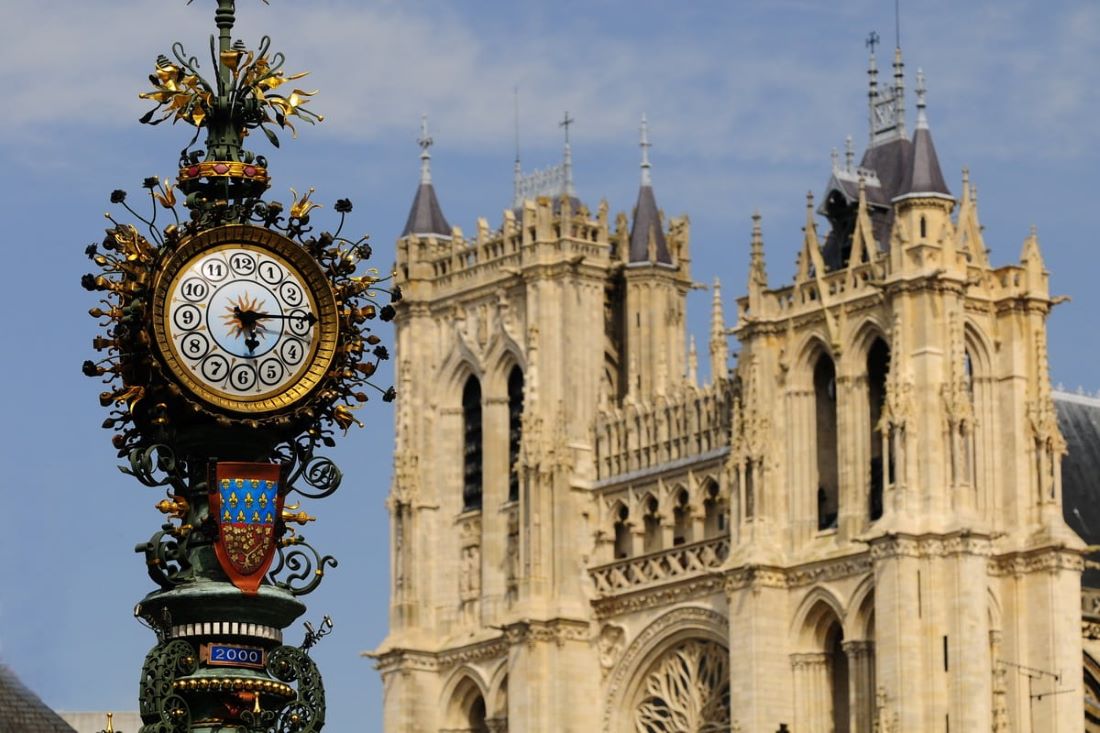
With a strong industrial and working-class history, the region also stands out for its architectural heritage, including UNESCO-listed belfries, majestic cathedrals such as Amiens, and lively squares in Lille, its dynamic capital.
Hauts-de-France is also a region of warmth and tradition, renowned for its generous cuisine, colorful markets, and the welcoming spirit of its people. A territory both authentic and modern, to be discovered without moderation. Learn more about the Hauts-de-France region!
| Inhabitants | 5.9 million |
| Size | 31,800 km² |
| Famous Names | Charles de Gaulle (politician), Jules Verne (writer), Camille Claudel (sculptor), Henri Matisse (painter), Jean de la Fontaine (poet), Coco chanel (fashion designer), Alexandre Dumas (writer) |
| Famous Food | Maroilles cheese, Ficelle picarde (savory stuffed crepe), Welsh rarebit (local dish), Gaufres de Lille (Lille waffles), Potjevleesch (meat terrine) |
| Famous Sites | Lille Grand Place, Amiens Cathedral (UNESCO), Belfries of Nord-Pas-de-Calais (UNESCO), Opal Coast beaches, Chantilly Castle, Palace of Versailles-style gardens in Compiègne, Louvres-Lens Museum, cities like Lille, Amiens, Arras, Valenciennes, Dunkirk, and Boulogne-sur-Mer |
Our Regional Partners

Amiens Métropole
Amiens-Métropole is the intercommunal authority for the Amiens urban area, responsible for urban planning, mobility, cultural life and local sustainability policies to improve residents’ quality of life.
Go to www.amiens.fr
Université d'Artois (UArtois)
A multidisciplinary regional university offering education and research across sciences, engineering, social sciences and the arts, Université d’Artois partners on innovation, training and community development initiatives.
Got to www.univ-artois.fr

Centre des Monuments Nationaux (CMN)
The CMN conserves, restores and opens France’s national historic monuments to the public, combining heritage protection with cultural programming, exhibitions and educational activities.
Conseil Régional des Hauts-de-France
The Hauts-de-France regional council supports economic development, education, transport, culture and ecological transition across the region through funding, strategy and public–private partnerships.
Go to www.hautsdefrance.fr

SATT Nord
SATT Nord accelerates the transfer of university research to the market by helping protect IP, launch startups and connect inventors with industry partners across northern France. It turns lab discoveries into usable products and businesses.
Go to www.sattnord.fr
Université du Littoral Côte d'Opale (ULCO)
ULCO is a coastal university known for applied teaching and research in marine and environmental sciences, sustainable development and regional projects — fostering student mobility and cross-border collaborations.
Go to www.univ-littoral.fr
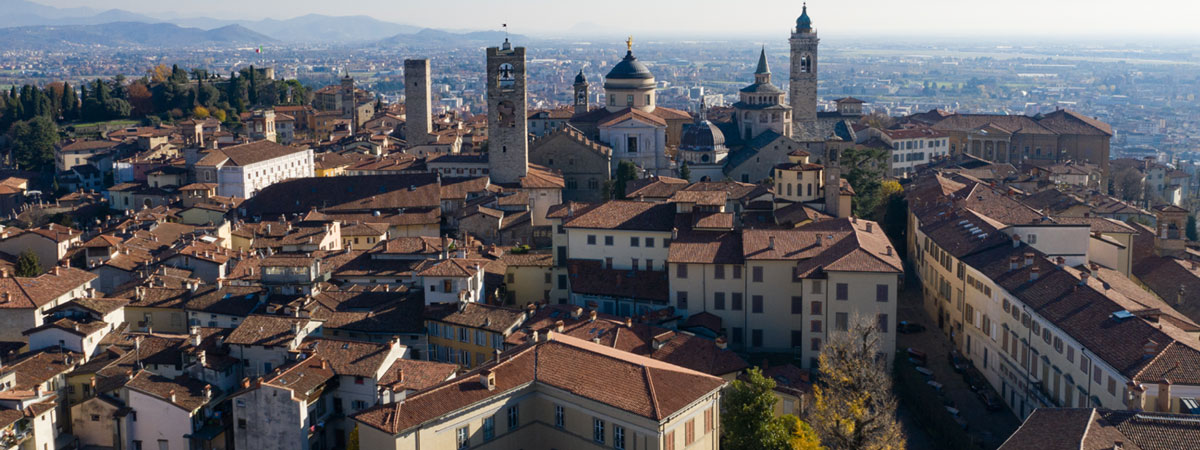
The northern Italian region of Lombardy is one of the most culturally and geographically diverse areas in the country. Nestled between the Alps and the Po Valley, it has much to offer from beautiful mountains and pristine lakes to UNESCO-listed cities.
Specifically, Lombardy is the Italian region with the highest number of UNESCO sites.
Whether you are hiking in the mountains, sailing on a lake, exploring medieval towns, or tasting traditional food: Lombardy is full of surprises!
Lombardy is also home to several cities of historical and artistic importance, such as Milan, Bergamo, Brescia, Mantua, Cremona, and Como.
Bergamo, where our partner university is located, is split between the historic Città Alta (Upper Town) and modern Città Bassa (Lower Town), and its Venetian walls are a UNESCO World Heritage Site. Learn more about the region and Bergamo’s hidden gems!
| Inhabitants | 10 million |
| Size | 23,860 km² |
| Famous names | Roman Catholic Pope John XXIII,Gaetano Donizetti (composer), Caravaggio (painter), Giacomo Carrara (art collector), Alessandro Volta (physicist), Giuseppe Verdi (composer) |
| Famous Food | Casoncelli (and other types of stuffed pasta), Polenta, seasoned cheese, Panettone, Risotto, stracciatella-flavoured ice cream |
| Famous Sites | Città Alta of Bergamo - Venetian Walls, Lakes Como, Iseo and Garda, Valcamonica Rock Engravings, several art cities including Milan with Da Vinci’s masterpiece “The Last Supper” Click here to learn more about Lombardy |
Our Regional Partners:
- Comune di Bergamo
- ANCI Lombardia
- Confindustria Bergamo
- Bergamo Sviluppo
- Kilometro Rosso
- Indire Ricerca per l’innovazione della Scuola Italiana
- UNITA Universitas Montium
- Fondazione della Misericordia Maggiore
- Intellimech
- Politecnico delle Arti
- Sacbo
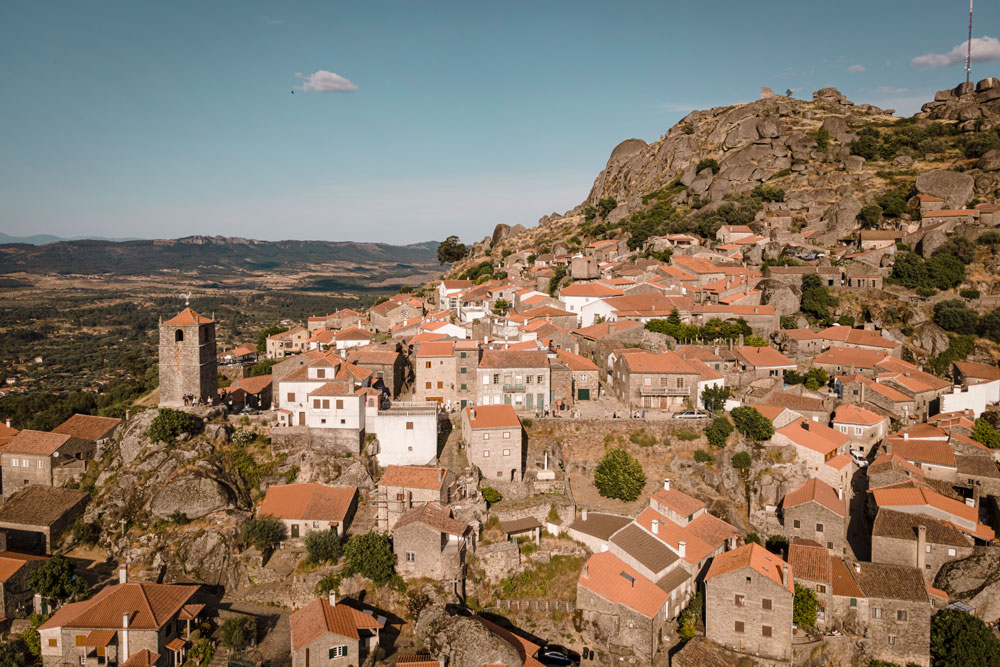
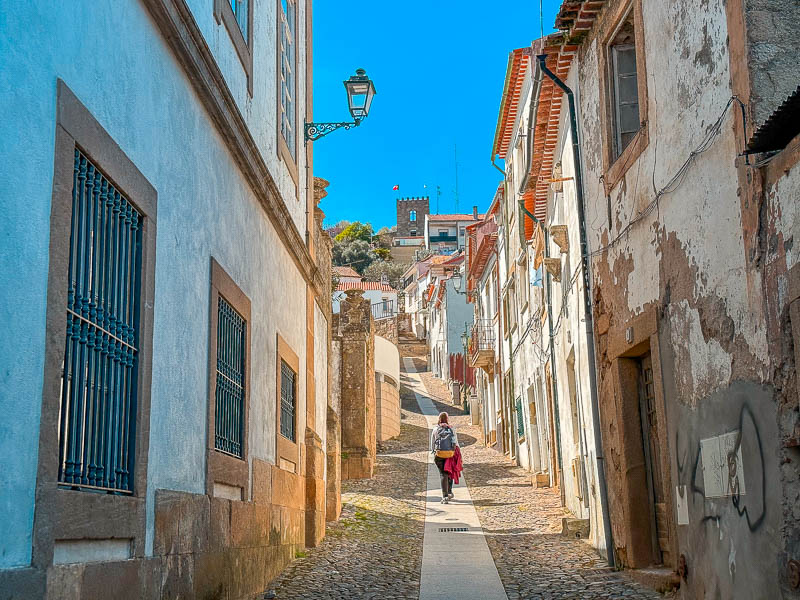
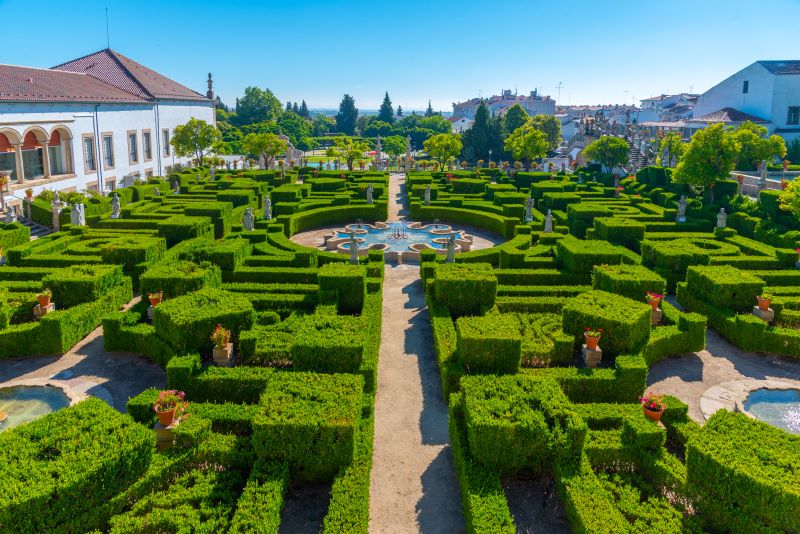
Castelo Branco is the capital of the district with the same name, situated in the central region of Portugal and bordering Spain. The region is characterised by a unique natural landscape, featuring the Estrela and Gardunha Mountains, as well as the Tejo International Nature Park.
The district also gathers some of the main historic Portuguese villages, such as Monsanto, Castelo Novo, Belmonte, and Sortelha, and has strong cultural traditions. The region’s economy is marked by agriculture, mainly by olive oil, wine, cheese, and fruit production. Learn more about this region here!
| Inhabitants | 178,000 |
| Size | 6,675 km2 |
| Famous names | Pedro Álvares Cabral (navigator), Amato Lusitano (doctor and writer), António Ramalho Eanes (former president of Portugal), Celeste Rodrigues (fado singer), Eugénio de Andrade (writer), Pope Damasus I |
| Famous Food | Beira Baixa cheese (World Cheese Awards 2024 winner), Maranho (spicy sausage), Borrachões (cookie) |
| Famous Sites | Bordado Museum, Belmonte, Monsanto, Castelo Novo, Portas de Rodão, Malcata Mountain Nature Reserve, Sobral de São Miguel, Centum Cellas Tower |
Our Regional Partners:
Câmara Municipal de Castelo Branco
The Municipality of Castelo Branco is the local authority responsible for the administration and development of the city and surrounding parishes, promoting sustainable urban growth, cultural vitality, social inclusion, and environmental protection to enhance residents’ quality of life.
Câmara Municipal de Idanha-a-Nova
The Municipality of Idanha-a-Nova is the local authority responsible for the daily management and strategic planning of the municipality’s development, including sustainable territorial growth, cultural heritage preservation, and innovation in rural areas.
Associação Empresarial da Beira Baixa (AEBB)
The AEBB promotes the development of economic activities in the District of Castelo Branco across the technical, economic, commercial, and associative domains, fostering entrepreneurship and regional competitiveness.
Go to https://www.aebb.pt/
Comissão de Coordenação e Desenvolvimento Regional do Centro (CCDR Centro)
The CCDR Centro is the regional public body responsible for execute regional development strategies in the Centro Region of Portugal, fostering territorial cohesion, social and cultural development and economic competitiveness.
Go to https://www.ccdrc.pt/pt/
Comunidade Intermunicipal da Beira Baixa (CIMBB)
The CIMBB is an intermunicipal entity that brings together several municipalities in the Beira Baixa region, working to promote territorial cooperation, sustainable development, and regional competitiveness through joint strategies and shared public services.
Go to https://www.cimbb.pt/
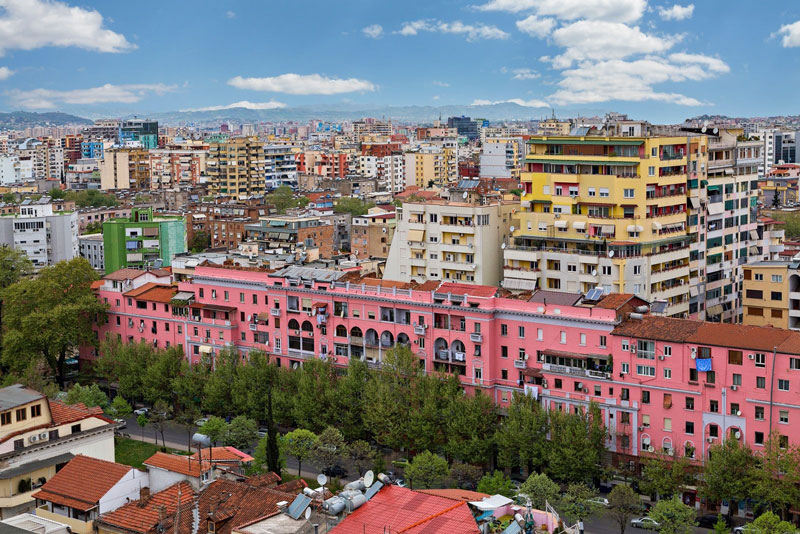
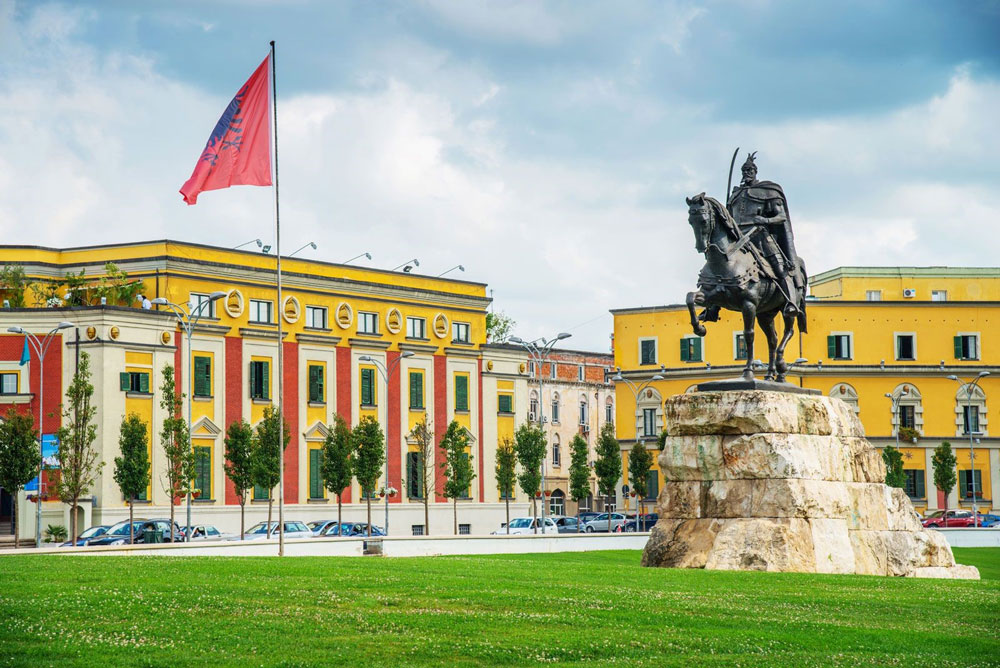
Tirana is the capital and largest city of Albania, located in the central part of the country. Founded in 1614 by Sulejman Pasha, it has grown into the cultural, political, and economic heart of Albania. The city is known for its vibrant atmosphere, colorful architecture, lively cafés, and a mix of Ottoman, Italian, and communist-era influences. Surrounded by mountains and close to the Adriatic Sea, Tirana blends history with modern life, making it a dynamic European capital.
| Inhabitants | ~900,000 in city proper; ~1 million+ in metropolitan area |
| Size | ~41.8 km² (urban area), ~1,110 km² (municipality area) |
| Famous names | Skanderbeg, Ismail Kadare (writer), Mother Teresa (honorary citizen), Dua Lipa (honorary link with Albania) |
| Famous Food | Tavë kosi, Fërgesë tiranase, Byrek |
| Famous Sites | Skanderbeg Square, National History Museum, Mount Dajti, Bunk’Art |
Our Regional Partners:
Bashkia e Tiranës - Tirana Municipality
Link to website: Bashkia Tiranë
Silesian Voivodeship (Katowice)
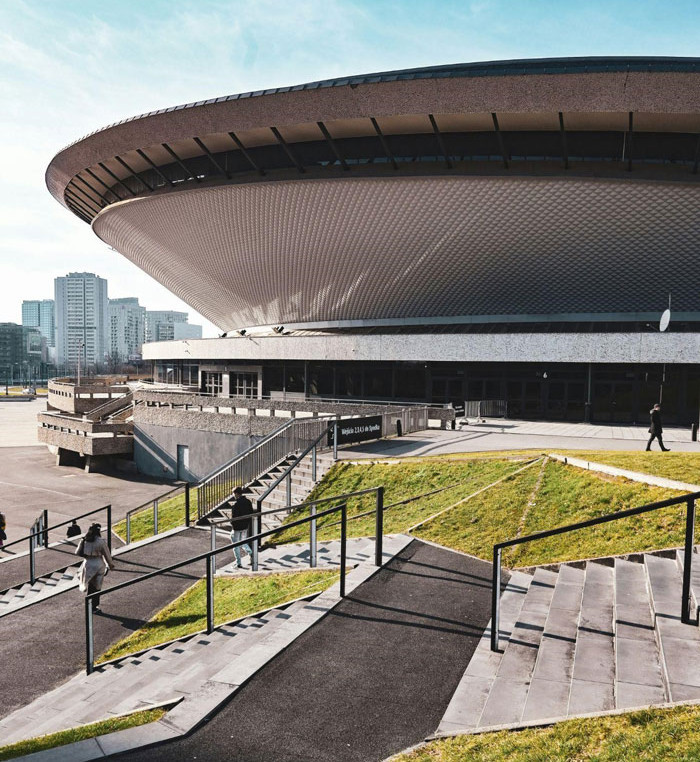
The Silesian Voivodeship is a region of great diversity – once associated mainly with industry, it now amazes with its natural beauty, tourist sites, and a wide array of cultural and sports activities. Situated in southern Poland, it blends bustling modern cities with areas rich in natural wonders, such as the Kraków-Częstochowa Upland, the Beskids, or the Błędów Desert. It also serves as an ideal starting point for trips to the mountains and the Trail of the Eagles’ Nests – a scenic cycling and hiking route linking medieval strongholds from Kraków to Częstochowa.
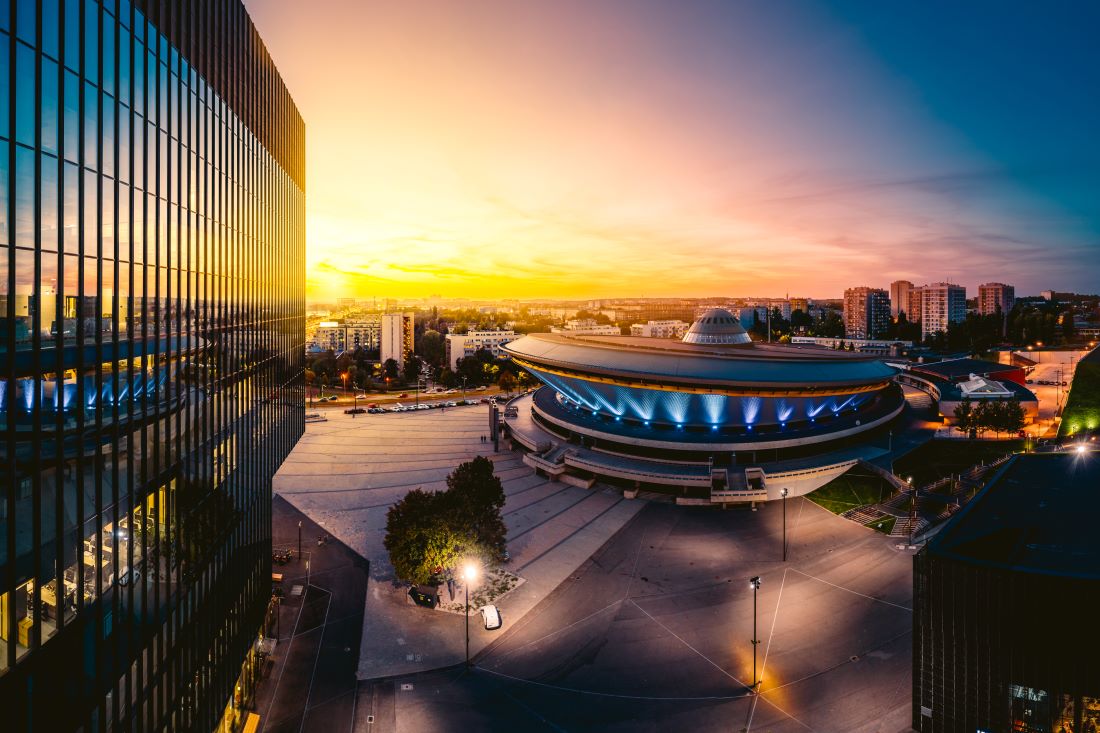
Visitors can explore regional attractions like Silesian Park with its Planetarium and Silesian Stadium, the Industrial Monuments Route with mines in Zabrze and Tarnowskie Góry (listed as UNESCO World Heritage Sites), as well as impressive castles (Ogrodzieniec) and palaces (Pszczyna). The area also features award-winning cycling trails, including the Iron Bicycle Trail that runs along former railway tracks. Silesia is also known for its rich cultural, ethnographic, and culinary heritage.
| Inhabitants | 4.3 millions |
| Size | 12,334 km2 |
| Famous names | Wojciech Kilar (composer), Maria Goeppert-Mayer (physicist, Nobel laureate), prof. dr hab. Franciszek Kokot (doctor, scientist, nephrologist), Kazimierz Kutz (film director), Otylia Jędrzejczak (swimmer, Olympian), Karol Godula (industrialist), Jerzy Duda-Gracz (painter), Erwin Sówka (painter), Paweł Steller (graphic artist), Józef Skrzek (musician), Jan Skrzek (musician), Przemo Łukasik (architect), Adam Małysz (Olympian), Zbigniew Religa (cardiac surgeon) |
| Famous Food | kluski (elliptic potato dumplings without any stuffing, served with gravy), Silesian beef roulade, kołocz (yeast cake with poppy seeds/apples/curd cheese and crumble topping), żur (rich soup made on sourdough starter, served with a boiled egg, mashed potatoes, and sausages) |
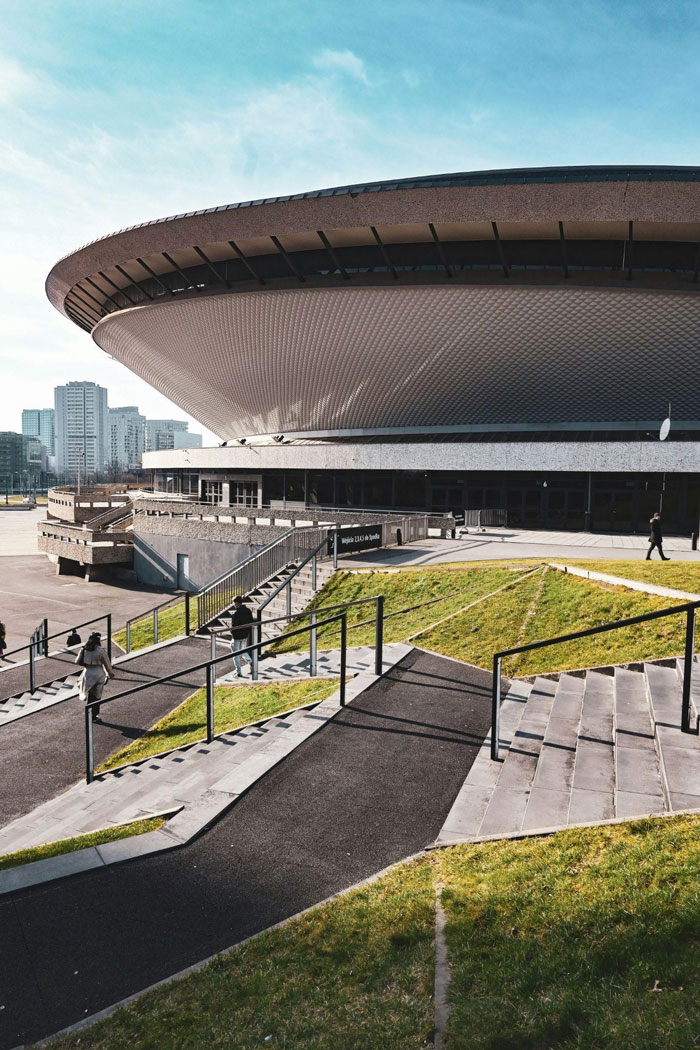
| Famous Sites | Guido Mine and Coal Mining Museum, Historic Silver Mine in Tarnowskie Góry, Black Trout Adit, Katowice Culture Zone, Góra Zborów Nature Reserve, Queen Louise Adit, Ogrodzieniec Castle in Podzamcze, Silesian Museum, Castle Hill in Cieszyn, Ruda River Kayak Trail, Silesian Park (Silesian Culture and Recreation Park), Cistercian Monastery and Palace Complex in Rudy, Bread Cottage, Bobolice Castle, Rzędkowice Rocks, Shepherding Centre in Koniaków, Pszczyna Castle and Old Town, Świerklaniec Park, Modernism Trail in Katowice, Space-Age Architecture in Katowice |
Our Regional Partners:
Karol Szymanowski Academy of Music in Katowice
An art college in Katowice with a rich tradition of educating outstanding musicians, composers, and conductors. It is a place that combines tradition with modernity, and the concerts organized there constitute an essential part of the region's cultural life.
Go to www.am.katowice.pl/en
Academy of Fine Arts and Design in Katowice
A prestigious art school where young artists develop their talents in the disciplines of painting, graphic arts, sculpture, and design. It combines artistic tradition with innovative teaching methods. The Academy is a vital hub of creativity and collaboration with the creative community.
Go to www.asp.katowice.pl/en
Katowice City Hall
An institution responsible for the efficient functioning of the city, investment planning, and supporting residents in their daily affairs. The office undertakes projects that enhance the quality of life for residents and promote the economic growth of Katowice.
City of Rybnik
Rybnik is a dynamically developing city in the Silesian Voivodeship, combining a rich industrial tradition with a modern approach to social and economic development. It is an important industrial, cultural, and educational center of the region. Rybnik offers numerous tourist attractions, including monuments, parks, and bicycle and recreational paths, combining modernity with historical heritage.
Go to https://www.rybnik.eu/en

Guido Coal Mine
A unique mining museum that allows visitors to descend hundreds of meters underground and experience the feeling of what it was like to work as a miner in the past. It is one of the biggest tourist attractions in Silesia, combining industrial history with a modern form of sightseeing.
Rozrywka Theatre
It is one of the most important cultural institutions in the region, renowned for its spectacular musicals, musical performances, and theatrical productions. It combines light entertainment with high artistic quality, attracting both art connoisseurs and a broad audience.
Science and Technology Park Euro-Centre
An institution supporting the development of innovation, entrepreneurship, and green technologies. The Park creates space for startups, technology companies, and research and development projects. It actively promotes energy and digital transformation by fostering collaboration among business, science, and new technologies.
Katowice Special Economic Zone
One of the country's most dynamically developing investment zones, offering entrepreneurs preferential business opportunities. The Zone supports the development of modern industries, provides employment opportunities, and attracts investment, contributing to the economic growth of Katowice and the surrounding areas.
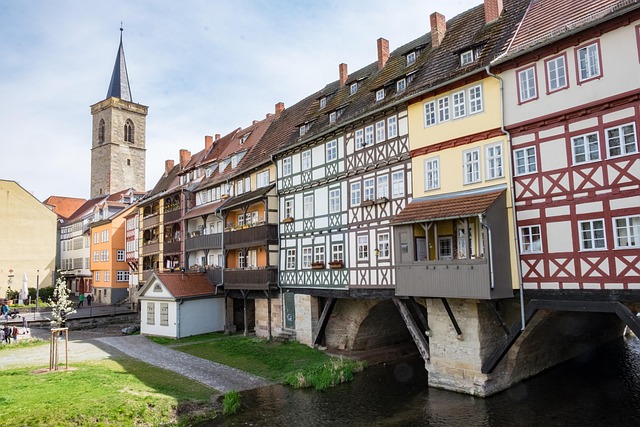
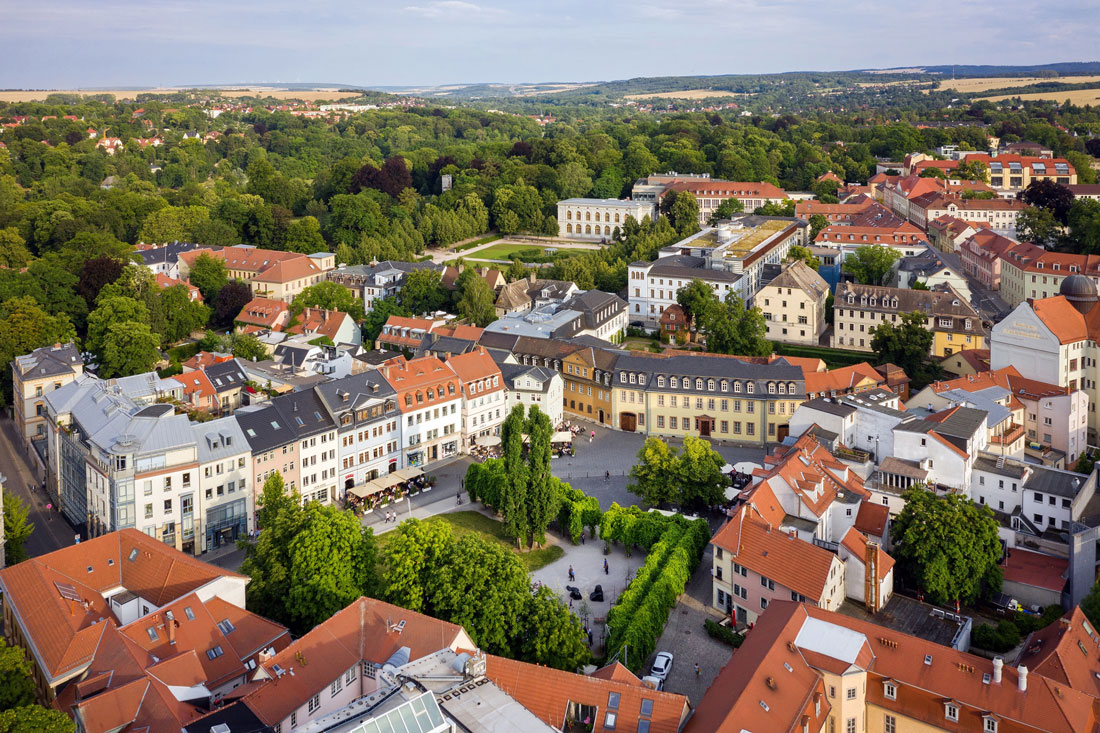
The federal state of Thuringia is located right in the centre of Germany. As the “Green Heart of Germany”, it is a true paradise for outdoor activities, offering mountains to climb, rivers to kayak, forests to hike, and castles to discover, such as the famous Wartburg (Martin Luther translated the New Testament there while in hiding).
Erfurt is the capital, but it is far from the only city worth visiting. Thuringian cities boast a rich cultural heritage and beautiful old towns that are perfect for leisurely strolls. For its size, Thuringia has a remarkable number of UNESCO World Heritage Sites. Learn more about them and the region of Thuringia!
| Inhabitants | 2.1 million |
| Size | 16,200 km2 |
| Famous names | Johann Sebastian Bach (composer), Friedrich Schiller & Johann Wolfgang von Goethe (poets and writers), Martin Luther (Protestant Reformist), Walter Gropius (founder of Bauhaus Design School), Otto Dix (painter) |
| Famous Food | Thuringian Bratwurst, Thuringian “Klöße” (potato dumplings) |
| Famous Sites | Bauhaus Museum, Thuringian Forest, Wartburg Castle, Oberhof (winter sports location), Buchenwald Memorial, cities like Erfurt, Jena, Gera, Weimar, Eisenach, Gotha, and Mühlhausen |
Our Regional Partners:
Klassik Stitung Weimar
The Klassik Stiftung Weimar is a unique ensemble of cultural memorial sites, 12 of which are UNESCO World Heritage sites. With more than 20 museums, palaces, historic houses, parks as well as literary and art collections, it is one of the most significant cultural institutions in Germany. The Herzogin Anna Amalia Bibliothek and the Goethe- and Schiller-Archiv preserve unique cultural collections and modern research literature. The Stiftung’s work focuses on the era of Weimar Classicism and its effects on the art and culture of the 19th century as well as on the modernity with Franz Liszt, Friedrich Nietzsche, Henry van de Velde and Bauhaus. By bridging the gap with present-day arts and sciences, the Stiftung aims to create scope for the discussion of questions in the spirit of these traditions. The Stiftung’s tasks include:
- Conservation, indexing, research and documentation of inventories and collections
- Maintenance of its historic houses, monuments and parks
- Presentation, procurement and supplementation of museum collections
- Planning and implementation of exhibitions and events
- Supporting national and international research
Naturstiftung David
Since 1998, the Naturstiftung David has been committed to effective nature and climate protection. We promote environmental initiatives that make a difference. At the same time, we implement our own projects: locally rooted, nationally networked and driven by the conviction that nature and climate protection can only succeed if we work together. Whether it is a support network for sheep farms in the field of landscape conservation, projects to protect bats, support for wilderness areas or strengthening climate resilience through water and moorland restoration – we are making a difference.
As a regional partner of BAUHAUS4EU, we want to bring the perspective of ecology and nature conservation as well as participation and processes to the network.

Stadtverwicklung gGmbH
"Stadtverwicklung" literally means city entanglement. We are a non-profit consulting agency based in Weimar that drives socio-ecological transformation through participatory urban development. We support initiatives, municipalities and organizations with common-good-oriented projects and offer free educational programs for greater social, spatial and ecological justice.
Stiftung Baukultur Thüringen
We understand Baukultur (building culture) as a strategy and driving force for social change related to our built environment. We connect committed stakeholders, municipal partners, and initiatives to jointly develop and implement transformative ideas. To this end, we support projects and run our own formats such as the Baukultur Talks, the annual Baukultur Festival, microfinancing programs, and exhibitions.
TourismusRegion Rennsteig-Schwarzatal
Vogtland Pioniere
The Vogtland Pioneers are an open network researching innovative technologies, processes, and methods for preserving and revitalizing buildings worthy of protection. Our regional network focuses on the Vogtland region (eastern Thuringia, western Saxony, and northern Bavaria). From (digital) monument preservation and materials research to educational and transfer formats, we develop transdisciplinary research projects that create new perspectives and opportunities for the region and its people through innovative ideas and interdisciplinary collaboration. We work with people from science, business, civil society, cities, and municipalities. Each project team has selected a historic building as a demonstration site for their joint work.
Building culture as a driver of innovation and networking: that is the basic idea behind the Vogtland Pioneers. We want to rediscover and repurpose the forgotten treasures and buildings of the Vogtland cultural region. We want to share this concern with other initiatives in Europe because cultural heritage protection is not a regional but a global task. At Bauhaus4EU, we are delighted to have the opportunity to network with other regional initiatives across Europe and exchange ideas on similar challenges.

WBA - Bauhaus Weiterbildungsakademie Weimar e.V.
The Bauhaus Weiterbildungsakademie Weimar (WBA) specialises in continuing education in an academic environment and has been developing part-time degree programmes, certificate courses, seminars, workshops and international continuing education courses for 30 years. As an institute at the Bauhaus-Universität Weimar, it is important to the WBA that its educational offerings are state-of-the-art, of high professional quality and practice-oriented.
Within the BAUHAUS4EU Alliance, the WBA is the point of contact for the development of international continuing education programmes.
Go to www.wba-weimar.de
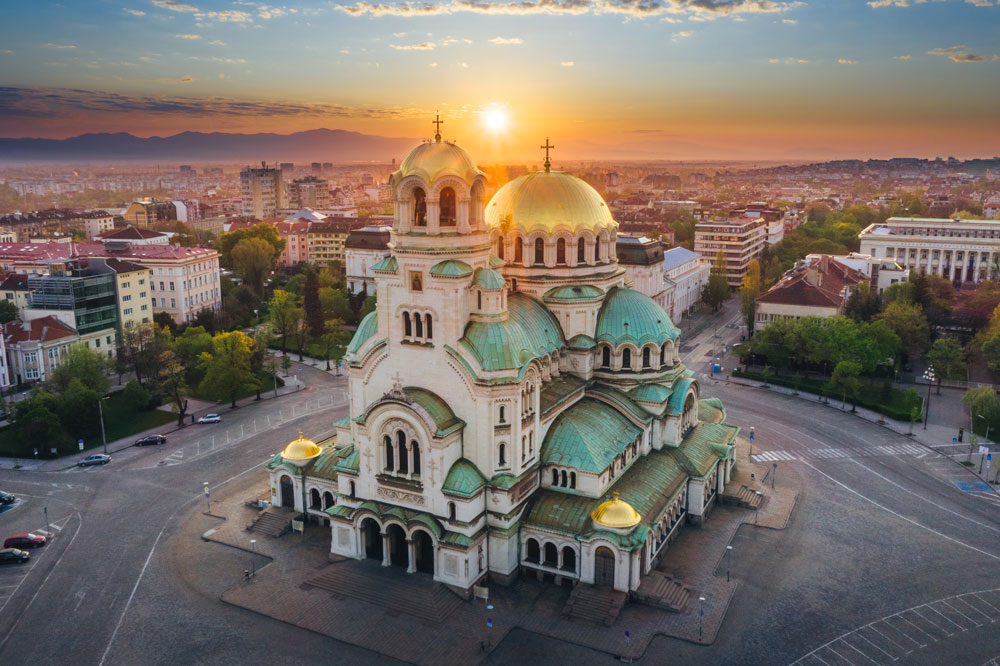
The capital municipality is the only municipality in the Sofia region and encompasses 38 settlements spread across plains and mountains, with the Iskar River running through it. With its 7000 years of history, Sofia has witnessed diverse eras and events but has managed to preserve the continuity of life and culture that sets it apart in Europe.
The city has carried different names – from Serdica to Sredets and Triaditsa, before becoming known as Sofia in the 14th century. It grew around mineral springs at a key crossroads linking Europe and Asia, thriving in Roman times as the site of the 311 Edict of Toleration and a favoured city of Emperor Constantine. Over the centuries, it passed through Byzantine, Bulgarian, and Ottoman rule, until it was liberated in 1878 and chosen as Bulgaria’s capital the following year.
Today, it is a unique blend of deep historical roots, contemporary architecture and vibrant cultural atmosphere. Learn more about Sofia!
UACEG campuses are in the prestigious district Lozenets - one of the 24 administrative districts of the Sofia Municipality.
| Inhabitants | 1.3 million. Currently, one fifth of Bulgarian citizens live in the capital. |
| Size | 1348.902 km2 |
| Famous names | St. Clement – bishop of Serdica before becoming one of the first popes, Emperor Aurelian – Roman emperor, born in Sofia (214), Emperor Galerius – issued the Edict of Serdica (311), first recognizing Christianity, Emperor Constantine the Great – favored Serdica, calling it “my Rome”; his mother, St. Helena, was from Sofia St. Ivan Rilski – patron saint of Bulgaria, first lived as a hermit near Sofia, Tsar Samuel – defender of Sofia in the Battle of Trajan’s Gate (986), Sebastocrator Kaloyan – built the Boyana Church, a monument of the Proto-Renaissance, Bulgarian defenders of Sofia – Ivan Asen IV, Ivan Asen V, Mikhail IV Asen, Ban Yanuka, and others who fought the Ottomans. St. George of Sofia (Old, New, Newest) – martyrs killed for their faith between the 15th–16th centuries, St. Sophronius of Sofia, St. Nikolai of Sofia, St. Constantine of Sofia, St. Simeon of Samokov and Sofia – key Orthodox saints and martyrs, Pimen Zografski – clergyman, writer, iconographer, and church builder. Sylvie Vartan – world-famous singer and actress, Christo (Hristo Yavashev) – internationally renowned artist, studied in Sofia, Raina Kabaivanska – globally acclaimed opera soprano, Vasko Vassilev – violin virtuoso and international prize winner, Desislava Kirova (Daisy Lang) – world champion in martial arts, Nina Dobrev – Hollywood actress, born in Sofia, Lazar Ivanov Dobrich – legendary circus artist and director, innovator in aerial gymnastics. |
| Famous Food | In the Shopluk region of western Bulgaria, food traditions center on pork, beans, and hot peppers, often paired with strong rakia. Must try: Shopska Salad, Shopsko Cheese, Radomir Kavarma, Breznishka Drob Sarma, Zelnik, Lyutenitsa, Bean Dishes |
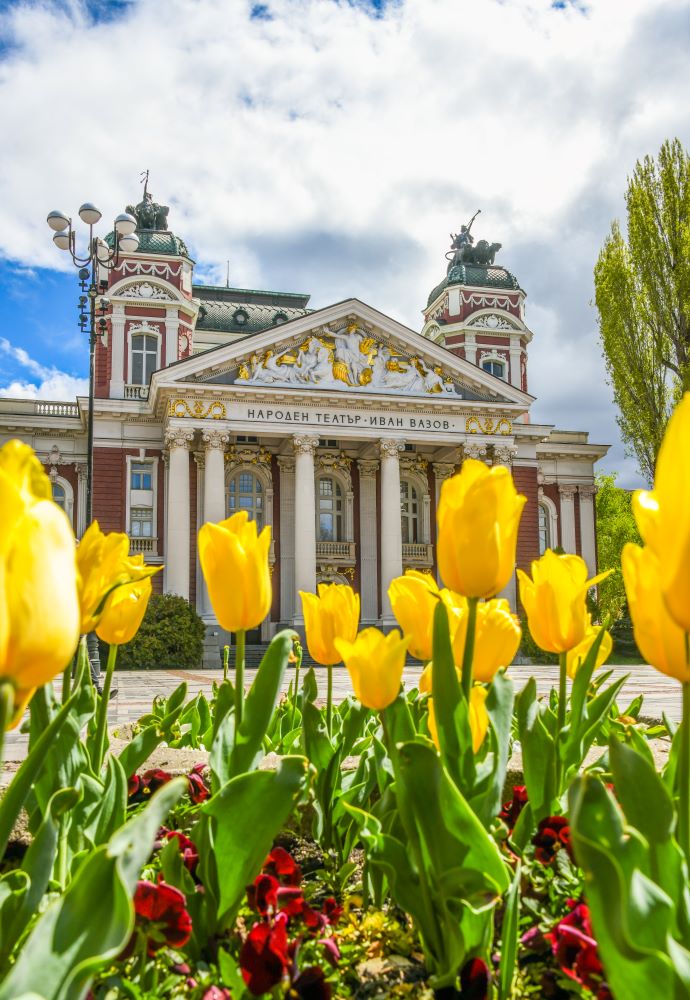
| Famous Sites | Saint Alexander Nevski Cathedral, Vitosha Boulevard, the National Theatre, the National Palace of Culture, National Gallery – Kvadrat 500, Saint Sofia Church, Saint George ancient church, the National History Museum in Boyana, the Boyana Church, the Regional History Museum (former Turkish mineral baths), the Largo and Ancient Serdika, Vitosha mountain. |
Our Regional Partners:
National Association of Municipalities in the Republic of Bulgaria (NAMRB)
The National Association of Municipalities in the Republic of Bulgaria (NAMRB) is a non-profit organization, established under Article 9 of the Local Self-Government and Local Administration Act and the Law on Non-Profit Entities. It operates on the principles of voluntarism and equality among its members, working to strengthen effective, responsible, and citizen-oriented local governance.
Go to: https://www.namrb.org/en
Sofia Development Association
Sofia Development Association is a resource centre for testing innovations in the field of culture and digital transformation, research, analysis and educational programs that create conditions for permanent dialogue between civil society, creative communities, business, academic institutions and the Sofia Municipality.
Our Regions


Stay Tuned!
Listen to our BAUHAUS4EU Podcast and sign up for our newsletter – stay up to date on all of our ongoing developments and planned activities!
Download Area
In the Download Area, you can find our communication kit, logos, deliverables and other useful documents.