Our Cities
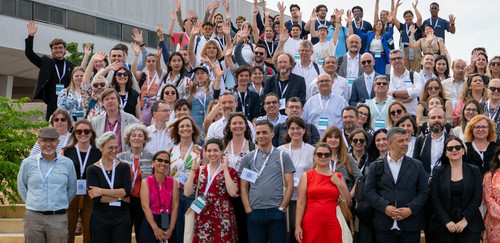
The BAUHAUS4EU European University Alliance is a consortium of ten higher education institutions in nine different countries. Learn more about the cities where our universities are located!
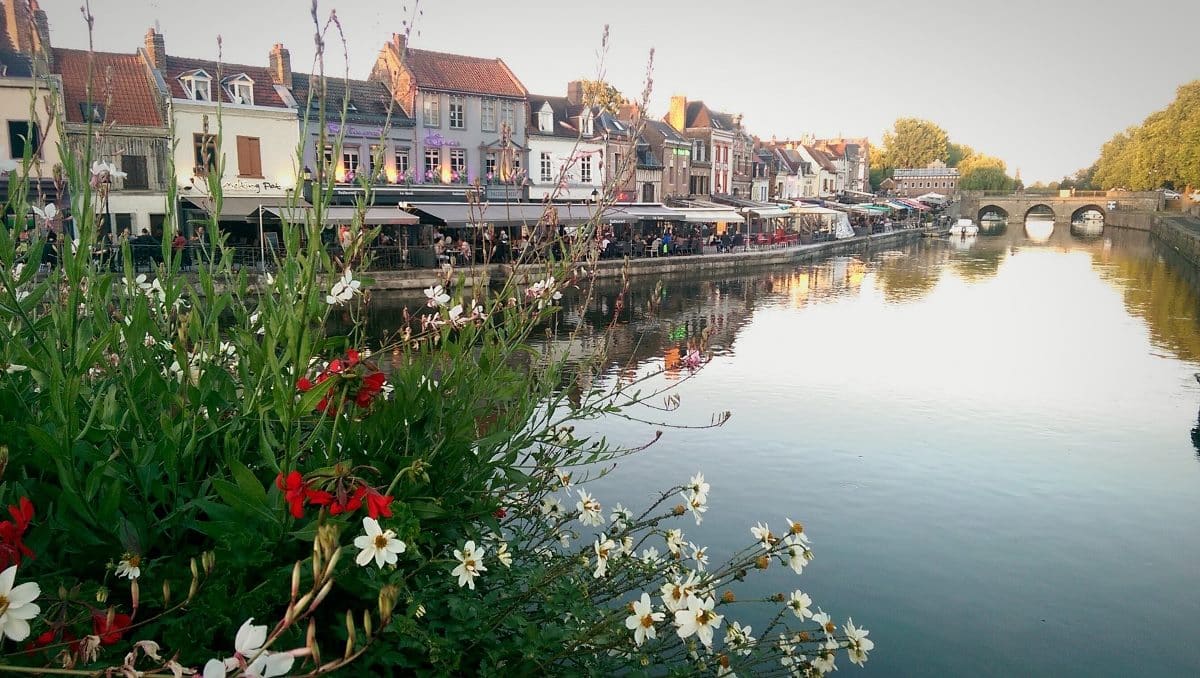
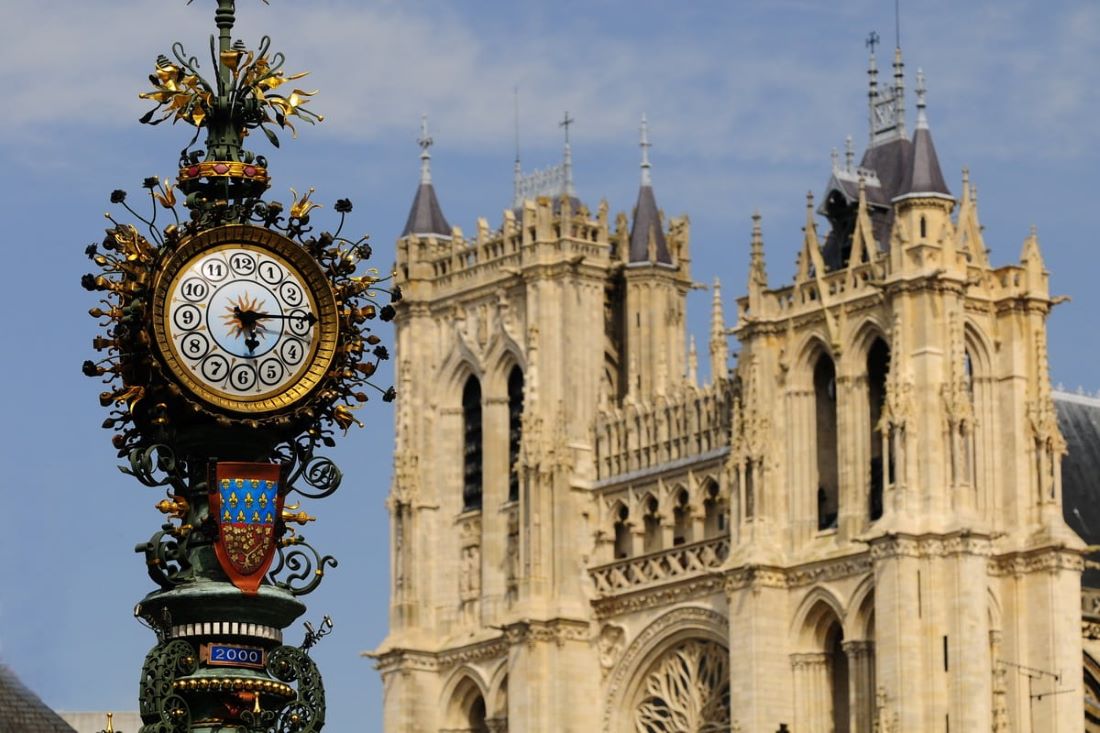
Université de Picardie Jules Verne is situated in northern France, within the Hauts-de-France region. The area has a population of approximately 135,000 residents, and the primary language spoken is French.
Visitors to the region will find it rich in cultural heritage, featuring a famous Gothic cathedral, which is recognized as a UNESCO World Heritage site. Additionally, the city is known for its picturesque canals, often referred to as the "Little Venice of the North," and the Jules Verne House, celebrating the legacy of the renowned author.
- Useful links:
- Official Amiens Tourisme: www.amiens‑tourisme.com/en/
- Regional tourism info: www.hautsdefrancetourism.com
Università Degli Studi di Bergamo is located in northern Italy, specifically in the Lombardy region, northeast of Milan. The city has a population of approximately 120,000 residents, and the primary language spoken is Italian.
Bergamo is renowned for its stunning medieval upper town, known as Città Alta, which features well-preserved Venetian walls and a variety of art museums. Additionally, the nearby Alps offer excellent opportunities for hiking and skiing, making it an attractive destination for both culture enthusiasts and outdoor adventurers.
- Useful links:
- Official “Visit Bergamo” site: www.visitbergamo.net/en/
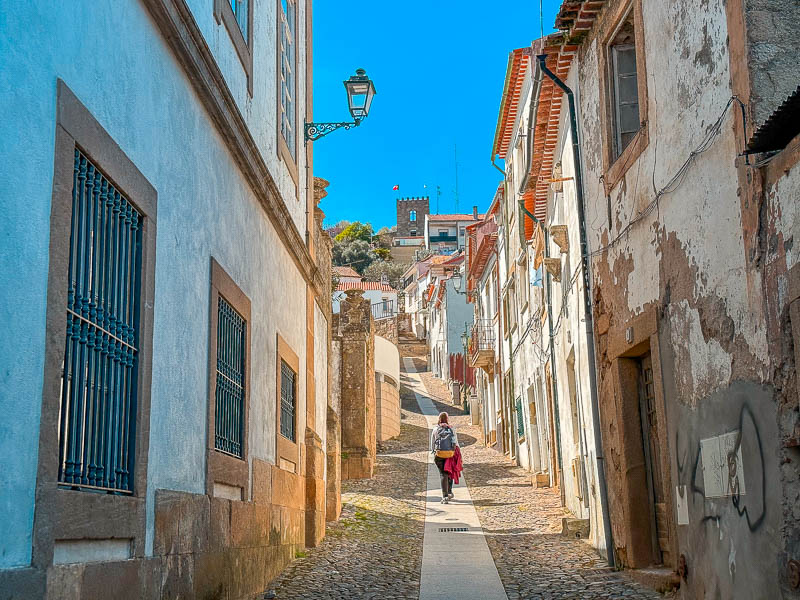
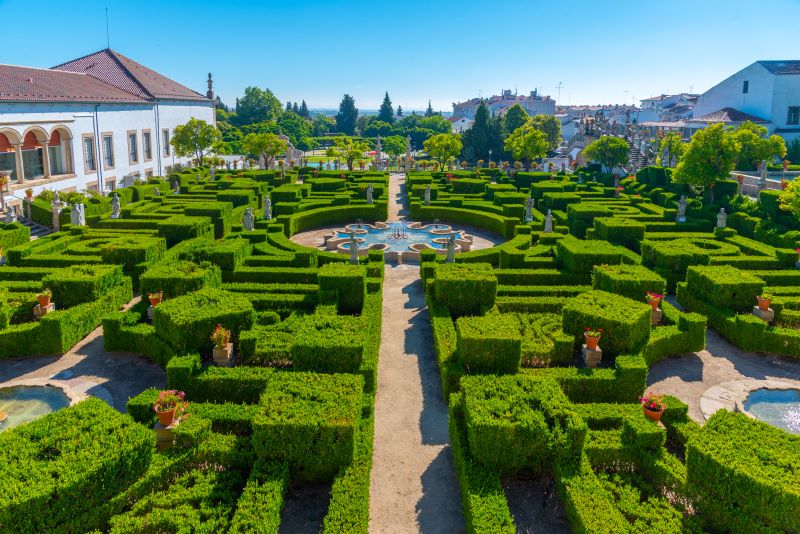
Instituto Politécnico de Castelo Branco is located in central Portugal, near the Spanish border. The area has a population of approximately 30,000 residents, and the primary language spoken is Portuguese.
Castelo Branco is known for its beautiful historic gardens and traditional embroidery, which reflect the region's rich cultural heritage. The peaceful surroundings make it an ideal base for exploring the scenic landscapes and attractions of inland Portugal, offering visitors a chance to experience the charm and tranquility of the area.
- Useful links:
- Visit Portugal: www.visitportugal.com/en/content/tour‑castelo‑branco
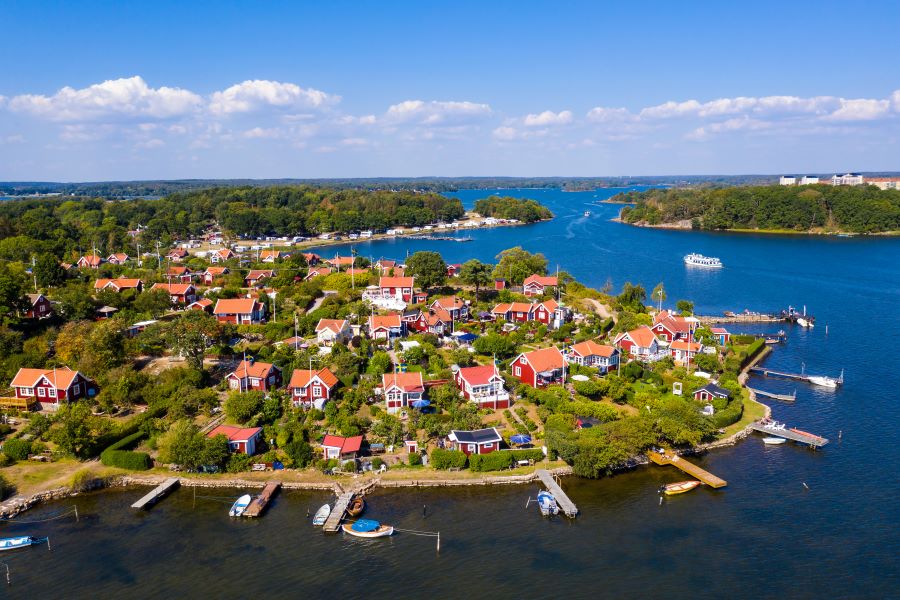
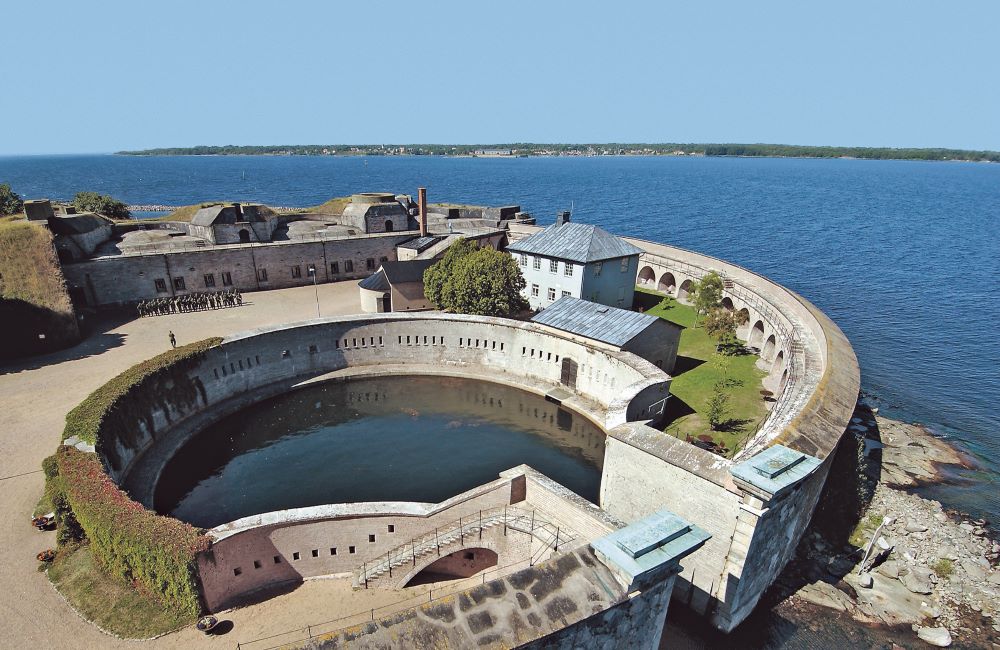
Blekinge Institute of Technology is situated in southeast Sweden, within Blekinge County, along the shores of the Baltic Sea. The region has a population of approximately 66,000 residents, and the primary language spoken is Swedish.
The city of Karlskrona is particularly notable for its well-preserved naval base, which is recognized as a UNESCO World Heritage Site. Visitors can also enjoy the picturesque archipelago and admire the city's stunning baroque architecture, making it a delightful destination for those interested in history and natural beauty.
- Useful links:
- Visit Karlskrona Tourist Centre: www.visitkarlskrona.se/en/karlskrona‑tourist‑center
- UNESCO site info via Visit Blekinge: www.visitblekinge.se/en/the‑world‑heritage‑karlskrona

The University of Economics in Katowice is located in southern Poland, within the Upper Silesian region. The city has a population of approximately 290,000 residents, and the primary language spoken is Polish.
Katowice is recognized for its rich industrial heritage, vibrant music festivals, and striking modern architecture. Additionally, the city is in close proximity to the Beskid Mountains, offering opportunities for outdoor activities and exploration of the beautiful natural surroundings.
- Useful links:
- Katowice Tourist Office: welcome.katowice.eu
- City Tourism Centre details: https://katowice.eu/en/en
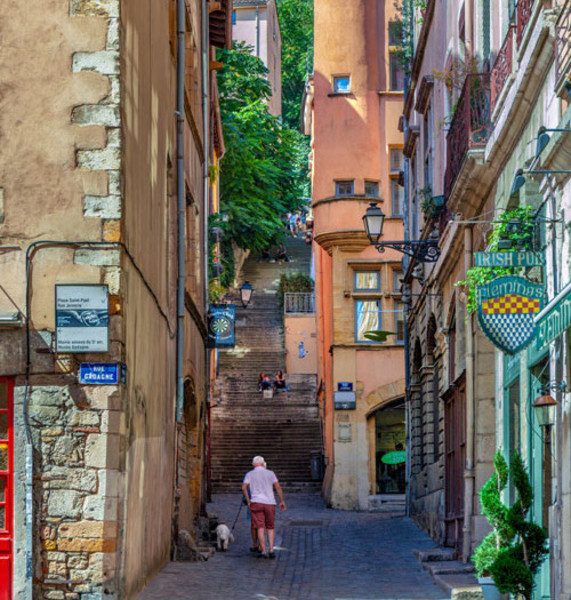
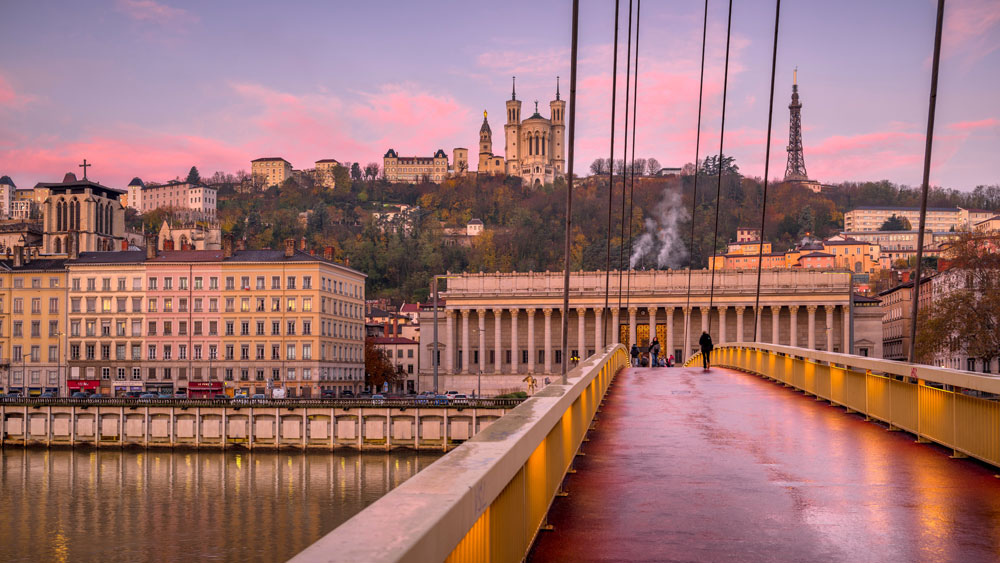
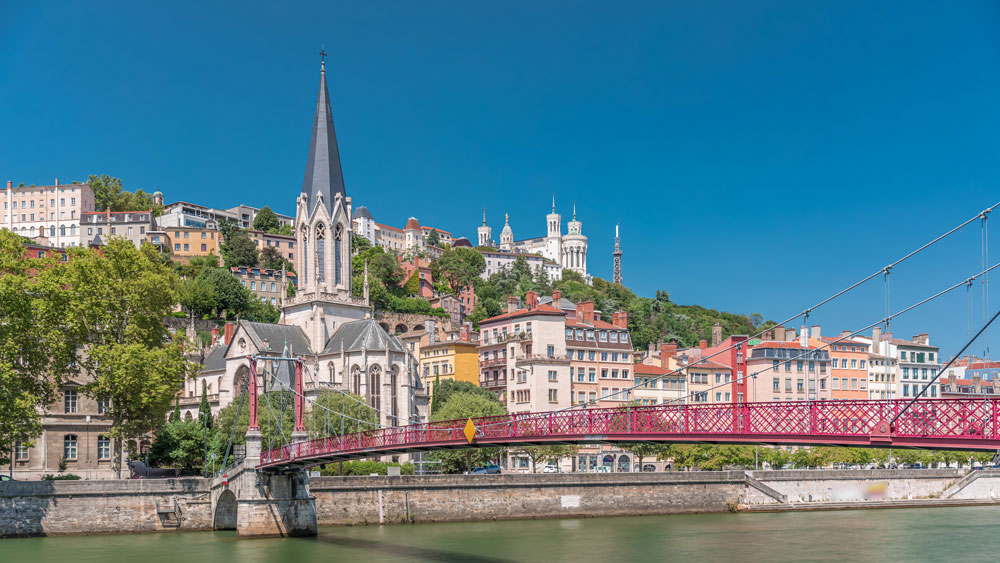
Université Lumière Lyon 2 is located in east-central France, positioned between Paris and Marseille. The city has a population of approximately 530,000 residents, and the primary language spoken is French.
Lyon is celebrated as a culinary capital, renowned for its exceptional cuisine and vibrant food scene. The city features an UNESCO-listed old town, rich in history, along with impressive Roman ruins that reflect its ancient heritage. Additionally, Lyon boasts a lively cultural life, making it an exciting destination for visitors interested in gastronomy, history, and the arts.
- Useful link:
- Visit Lyon: https://en.visiterlyon.com/
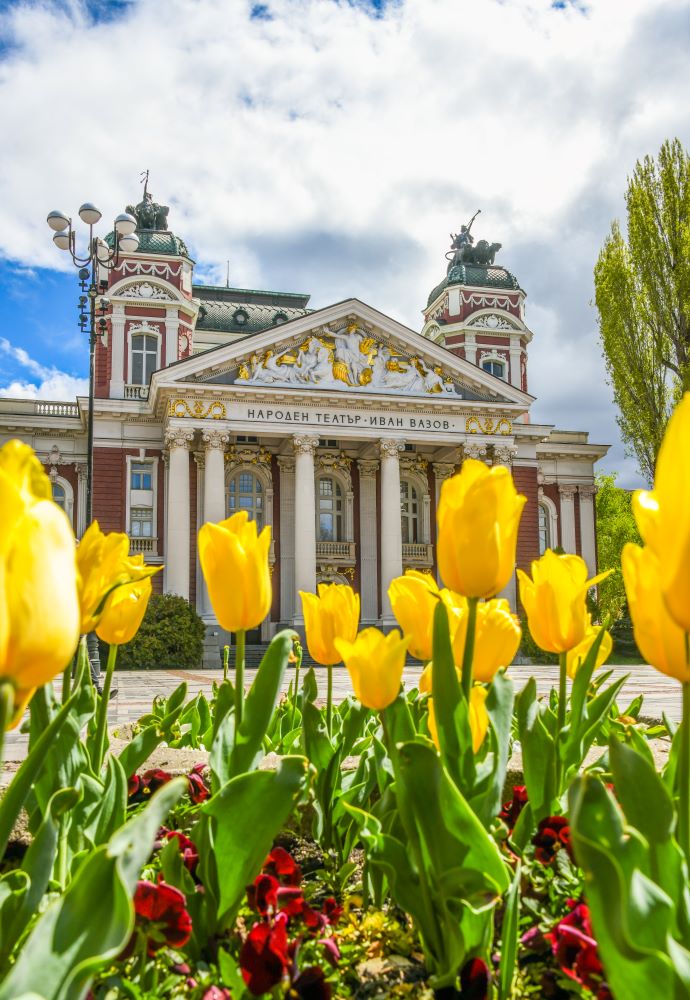
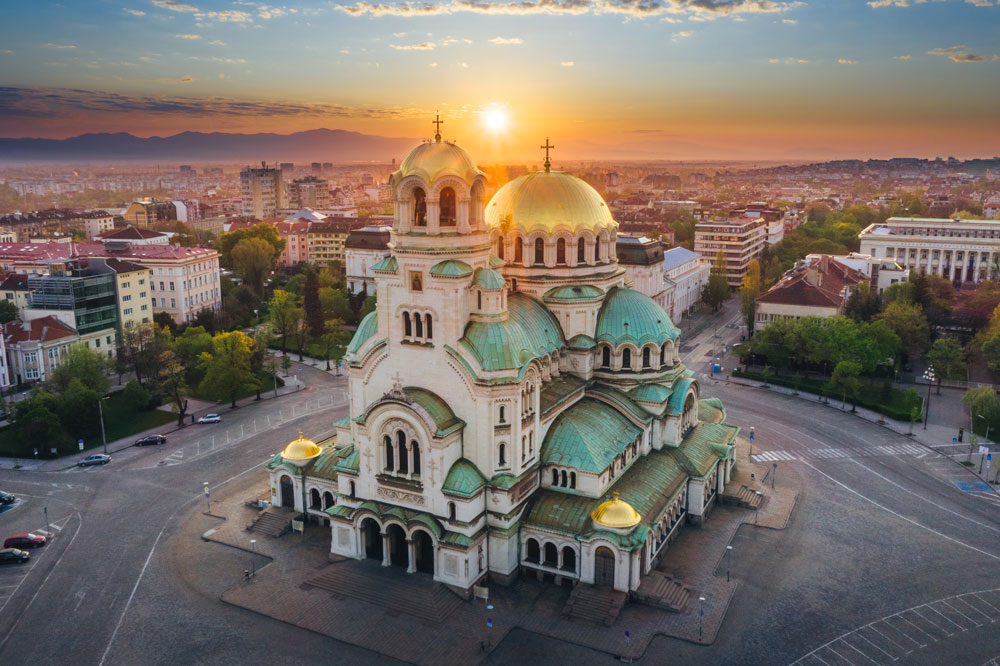
The University of Architecture, Civil Engineering and Geodesy is located in Sofia, the capital city of Bulgaria. Situated in western Bulgaria, in the Sofia Valley at the foot of Vitosha Mountain, the city has a population of approximately 1.2 million residents, and the primary language spoken is Bulgarian.
Sofia is a vibrant city that beautifully blends history and modern life. Visitors can explore Roman ruins, admire stunning Orthodox churches, and enjoy breathtaking views of the surrounding mountains. This unique combination of cultural heritage and natural beauty makes Sofia an intriguing destination for travelers.
- Useful link:
- Official tourism portal: www.visitsofia.bg
- Official country website: https://visitbulgaria.com/
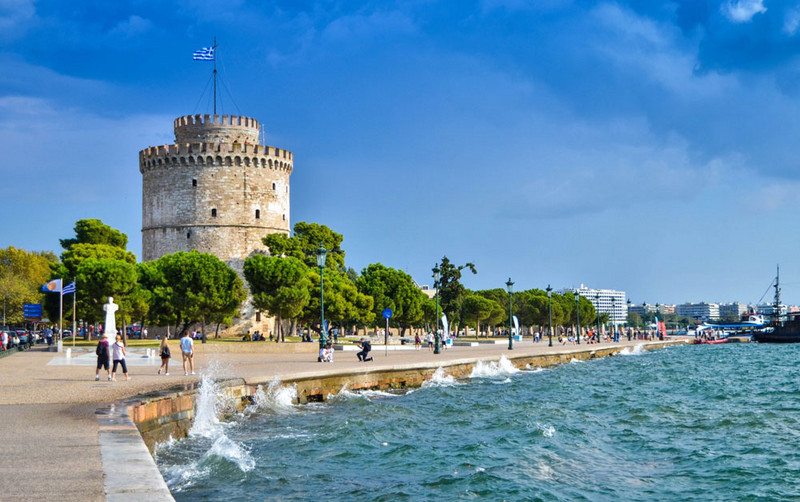
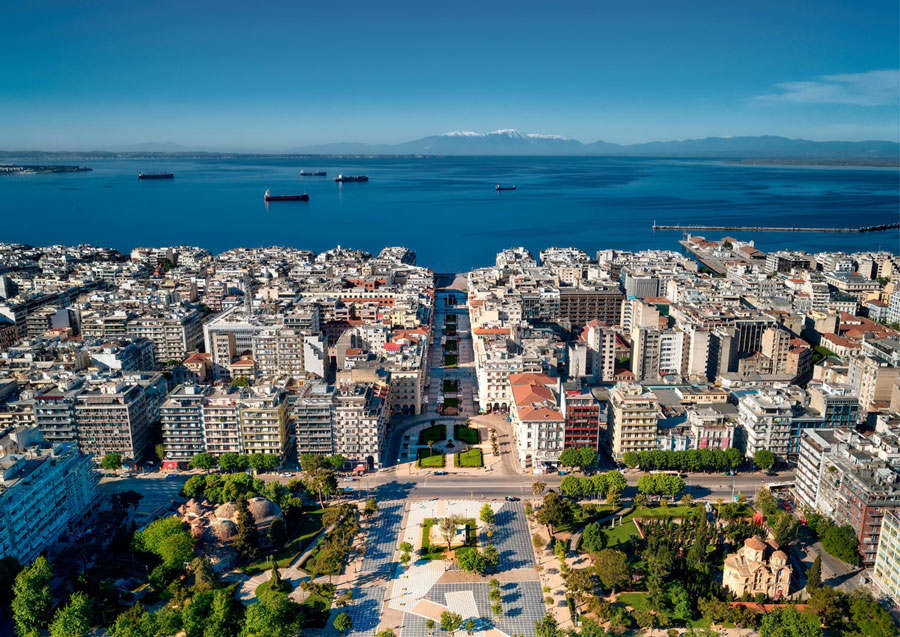
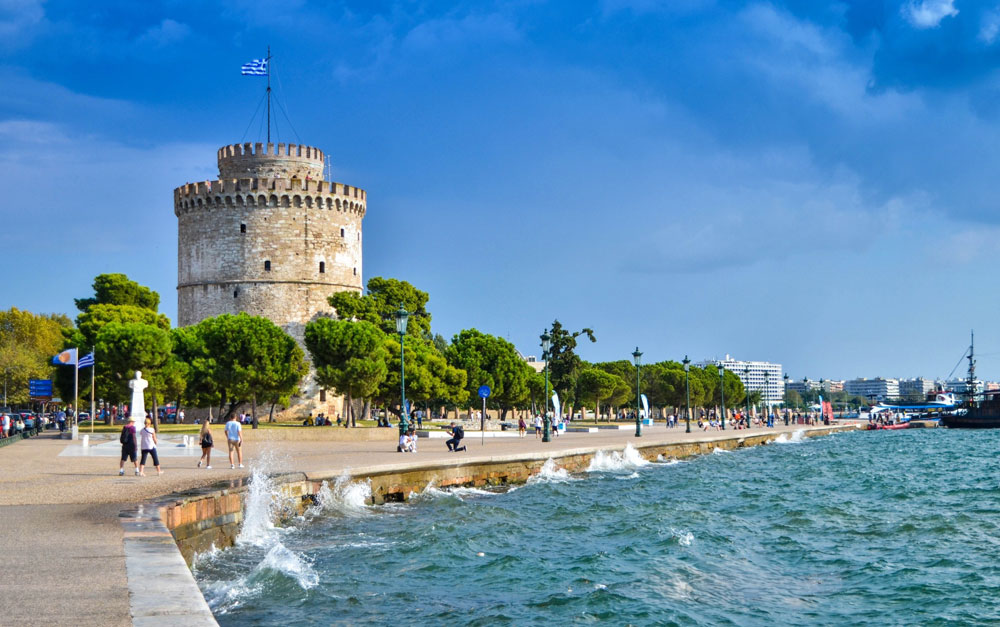
The University of Macedonia is located in northern Greece in the Region of Central Macedonia, along the shores of the Aegean Sea. The city has a population of approximately 1 million residents, and the primary language spoken is Greek.
This region is rich in Byzantine, Roman, and Ottoman heritage, offering visitors a glimpse into its diverse historical influences. The city is also popular for its delicious food, scenic waterfront promenade, and vibrant nightlife, making it an attractive destination for both cultural exploration and leisure activities.
- Useful link:
- Official city guide: www.thessaloniki.travel
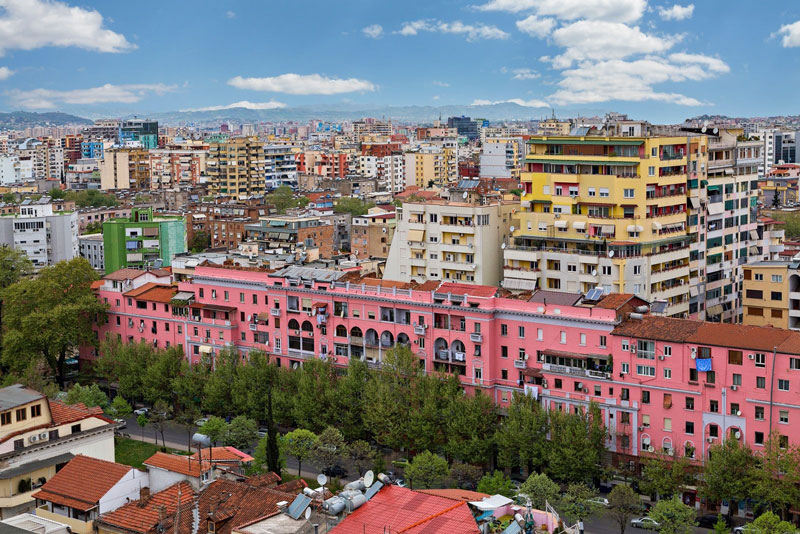
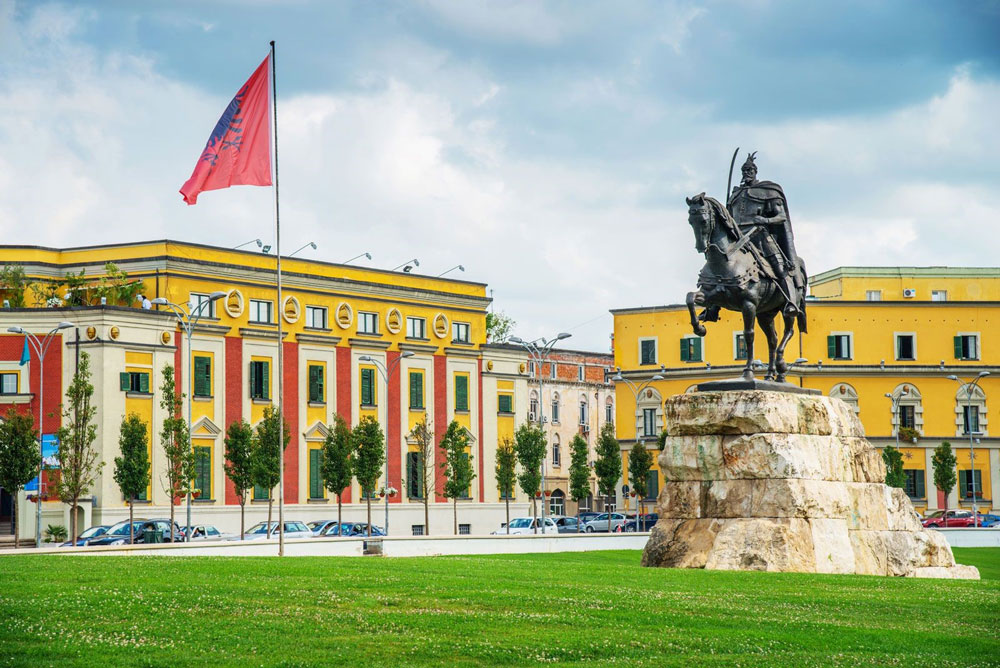
The campus of Polis University is located in the main infrastructural and economic axis of the country between the capital city (Tirana), the main airport (Mother Teresa, Rinas) and the main international port (Durres) of the country.
For tourists, the capital city, Tirana, offers a vibrant blend of cultures and historical eras. Nestled in a gently undulating landscape at an elevation of about 110 meters above sea level, Tirana is known for its colorful architecture and lively atmosphere, making it a fascinating destination for visitors.
- Useful links:
- OutdoorActive hiking and travel guide: www.outdooractive.com/en/travel‑guide/albania/polis/
- Travel overview: https://www.visit-tirana.com/
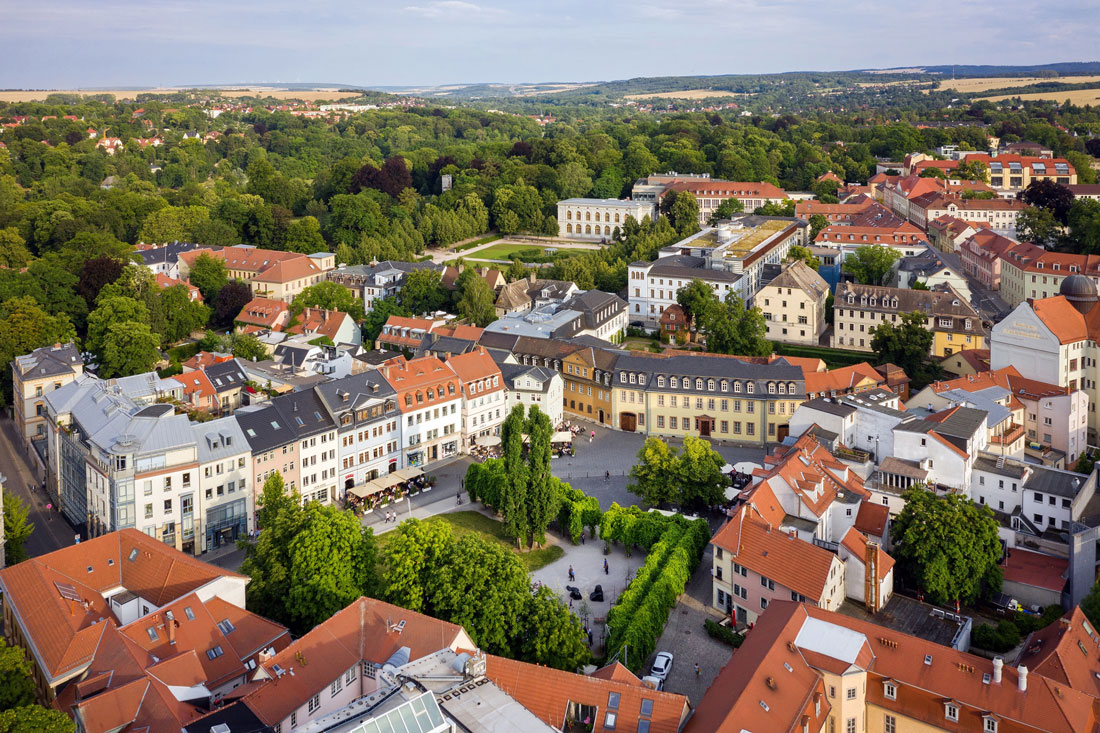
Bauhaus-Universität Weimar is located in central Germany, in the Thuringia region. The city has a population of approximately 65,000 residents, and the primary language spoken is German.
Weimar is recognized as a significant cultural hub, having been home to renowned figures such as Goethe and Schiller. It is also the founding site of the famous Bauhaus design school. Key attractions in Weimar include various Bauhaus sites, numerous parks, and a variety of museums, making it an enriching destination for those interested in art, history, and architecture.
- Useful links:
- Official Tourist Information: https://www.weimar.de/tourismus/
- Regional travel tips via Thuringia portal: https://www.thueringen-entdecken.de/en/w/weimar-stroll
Our Cities


Download Area
In the Download Area, you can find our communication kit, logos, deliverables and other useful documents.
Stay Tuned!
Listen to our BAUHAUS4EU Podcast and sign up for our newsletter – stay up to date on all of our ongoing developments and planned activities!